- Start by defining your lifestyle needs to ensure your home supports daily routines and future plans
- Set a realistic budget and prioritize essential features to avoid overspending
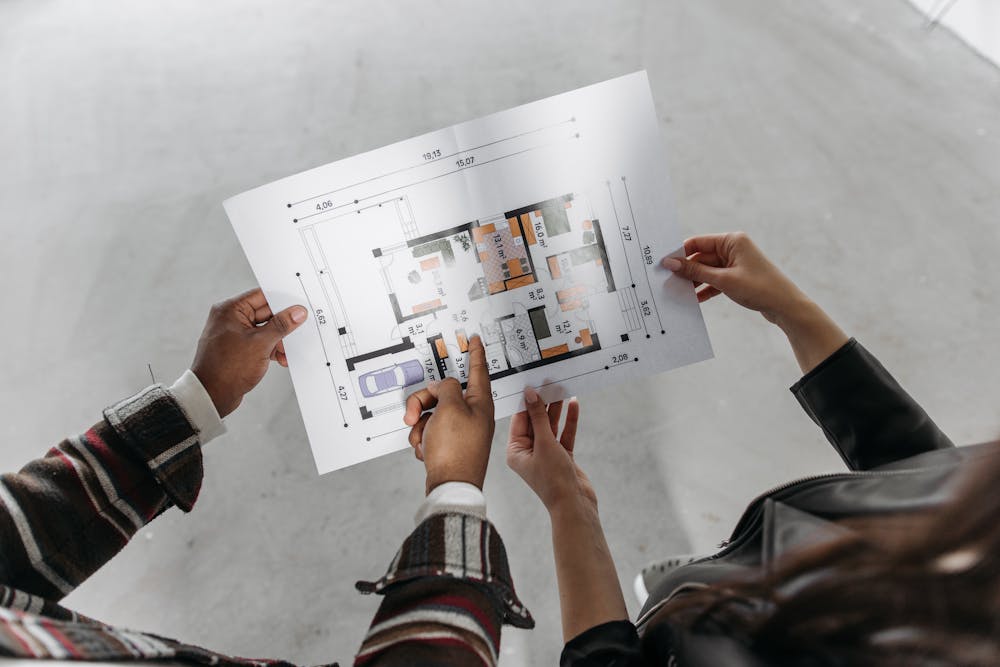
- Choose a functional and flexible floor plan that maximizes space and adaptability
- Balance style, quality, and cost by investing in high-impact areas and saving on non-essentials
- Incorporate practical home trends and design elements that enhance comfort and efficiency
- Work with experienced professionals to streamline the process and prevent costly mistakes
Designing a custom home is an exciting opportunity to create a space tailored to your needs, preferences, and financial capacity. However, without careful planning, it can quickly become overwhelming or costly. The key is finding the right balance between functionality, style, and affordability. By understanding your priorities and making informed decisions, you can achieve a home that truly reflects your lifestyle.
This guide will walk you through practical strategies to help you design a custom home that aligns with both your vision and your budget.
Define Your Lifestyle Needs First
Before diving into layouts and materials, it’s essential to evaluate how you live day-to-day. Your home should support your routines, hobbies, and future plans, not just look visually appealing. Many homeowners make the mistake of prioritizing aesthetics over functionality, which can lead to dissatisfaction over time. By identifying your lifestyle needs early, you can ensure your design choices are purposeful and practical.
Think about how each space will be used and who will use it most often. For example, families with children may prioritize open living areas, while remote workers may need dedicated office spaces. Consider both current and future needs to avoid costly renovations later.
Key questions to ask:
- How many bedrooms and bathrooms do you truly need?
- Do you require flexible or multi-purpose spaces?
- How often do you entertain guests?
By answering these questions, you create a strong foundation for your custom home design that aligns with your everyday life.
How to Design a Custom Home Without Overspending
Budgeting is one of the most critical aspects of building a custom home. Without a clear financial plan, costs can escalate quickly due to unexpected expenses or design changes. Setting a realistic budget from the beginning helps guide your decisions and keeps your project on track. It also ensures that you allocate funds to the features that matter most to you.
Start by determining your total budget, including construction, permits, and interior finishes. Then, break it down into categories to better manage your spending. Always leave room for contingencies, as unexpected costs are common in construction projects.
Smart budgeting tips:
- Prioritize must-have features over luxury upgrades
- Choose cost-effective materials that offer durability
- Work with professionals to avoid expensive mistakes
- Plan for long-term savings, such as energy-efficient systems
Being strategic with your budget allows you to create a home that feels luxurious without exceeding your financial limits.
Choose a Functional and Flexible Floor Plan
A well-designed floor plan is the backbone of any custom home. It determines how spaces flow together and how comfortable your home feels. Instead of focusing solely on size, prioritize efficiency and usability. A smaller, well-planned home can often feel more spacious than a larger, poorly designed one.
Flexibility is also crucial, especially if your needs may change over time. Incorporating adaptable spaces can help your home grow with you, whether that means accommodating a growing family or evolving work arrangements. This approach aligns with modern home trends and design, which emphasize practicality and versatility.
Features of a smart floor plan:
- Open-concept living areas for better flow
- Ample storage to reduce clutter
- Multi-functional rooms that serve different purposes
- Strategic placement of windows for natural light
A thoughtful layout ensures your home remains comfortable, efficient, and future-ready.
Balance Style, Quality, and Cost
Achieving the perfect balance between style and affordability requires careful decision-making. While it’s tempting to follow the latest design trends, not all of them will suit your budget or long-term needs. Focus on timeless elements that provide lasting value rather than short-lived aesthetics.
Invest in high-quality materials for areas that experience heavy use, such as flooring and kitchens. For less critical elements, consider more budget-friendly alternatives that still offer visual appeal. This approach helps you maintain both durability and style without overspending.
Where to invest vs. save:
- Invest in: structural components, insulation, and key fixtures
- Save on: decorative finishes and non-essential upgrades
By being selective with your spending, you can achieve a cohesive and stylish home that stands the test of time.
Work with the Right Professionals
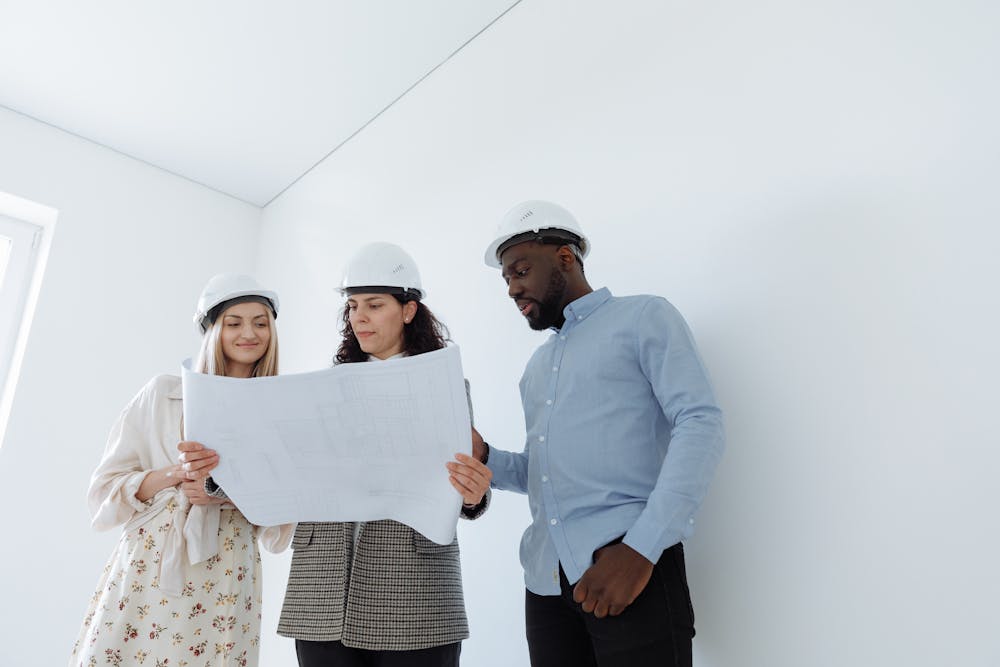
Designing a custom home is not a solo effort. Collaborating with experienced professionals can significantly improve the outcome of your project. Architects, designers, and contractors bring valuable expertise that helps you avoid costly errors and streamline the process.
Clear communication is essential when working with professionals. Make sure your vision, budget, and expectations are well understood from the start. Regular updates and feedback can help keep the project aligned with your goals.
Benefits of hiring experts:
- Access to creative and practical design solutions
- Better cost management and resource planning
- Compliance with local building regulations
The right team can turn your ideas into a well-executed plan that meets both your lifestyle and financial goals.
Final Thoughts: Designing a Home That Works for You
Designing a custom home that fits your lifestyle and budget requires a thoughtful and balanced approach. By focusing on your needs, planning your finances carefully, and making smart design choices, you can create a space that feels both personal and practical. Remember that your home should not only reflect your style but also support your daily life and future aspirations.
Taking the time to plan each step ensures a smoother building process and a more satisfying result. With the right strategies, your dream home can become a reality without unnecessary stress or financial strain.