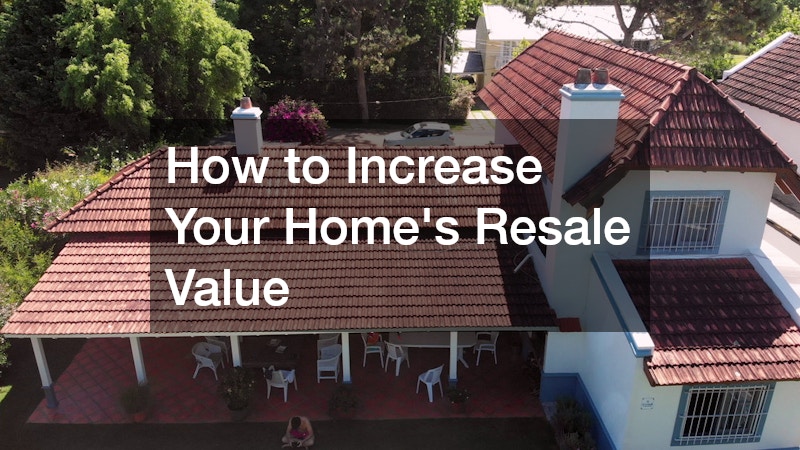

Older homes often have character that newer properties struggle to match. They may have original trim, mature landscaping, generous room sizes, or architectural details that give the home a sense of history. At the same time, age can bring hidden problems, outdated layouts, worn materials, and systems that no longer support modern living. A successful update is not about stripping away everything old. It is about deciding what should be preserved, what should be improved, and what must be replaced for safety, comfort, and long-term value.
Modernizing an aging home works best when the process is thoughtful rather than rushed. Homeowners sometimes start with the most visible project, such as paint, flooring, or fixtures, only to discover later that deeper repairs should have come first. A better approach is to look at the home as a connected system. The roof, walls, wiring, doors, windows, plumbing, living spaces, and outdoor areas all affect one another. When improvements are planned in the right order, the home becomes easier to maintain and more enjoyable to live in.
Assess Your Home Before Starting Any Major Project

Before choosing colors, fixtures, flooring, or finishes, take time to understand the current condition of the property. An older home may look solid on the surface while hiding moisture issues, outdated systems, structural movement, or years of patchwork repairs. Starting with a careful assessment helps prevent the common mistake of investing in cosmetic improvements before addressing the issues that can damage them later.
This is where home restoration and home repair often overlap. Restoration may involve preserving original materials, maintaining the character of the home, or bringing older features back to life. Repair work is usually more direct: fixing what is damaged, unsafe, inefficient, or worn out. Both are important, but they serve different purposes.
Walk through the home slowly and look at each area with a practical eye. Water stains, uneven flooring, drafty rooms, cracks around windows, sticking doors, flickering lights, and musty smells can all point to larger concerns. The goal is not to panic over every imperfection. The goal is to separate small cosmetic flaws from problems that could become more expensive if ignored.
A helpful starting process includes:
- Checking the exterior for damaged trim, loose materials, drainage problems, and worn surfaces.
- Reviewing the interior for signs of moisture, movement, poor ventilation, or outdated finishes.
- Evaluating major systems, including electrical, plumbing, heating, cooling, and insulation.
- Listing repairs by urgency rather than by appearance.
- Creating a renovation budget that includes a contingency for surprises.
Once the home has been evaluated, organize improvements into phases. Safety and structural concerns should come first. Efficiency upgrades should follow closely behind. Cosmetic changes are important, but they should be timed so they are not damaged by later construction.
Upgrade the Most Important Living Spaces First
Every aging home has rooms that carry more weight than others. The kitchen and bathrooms are usually at the top of that list because they affect daily routines, comfort, storage, cleanliness, and resale value. Updating these spaces can make the entire home feel more current, even if other areas are improved gradually over time.
Kitchen remodeling should begin with function, not finishes. A beautiful kitchen can still be frustrating if the layout does not support the way the household actually lives. Think about how food is prepared, where groceries are placed, how many people use the room at once, and whether the existing storage works. In older homes, kitchens may be closed off, short on counter space, or designed around appliances that were much smaller than today’s models.
Bathroom remodeling deserves the same practical mindset. Older bathrooms often have poor ventilation, worn tile, limited storage, outdated plumbing fixtures, or layouts that feel cramped. Small bathrooms can still work well when every choice is intentional. A vanity with drawers may offer better storage than a basic cabinet. A larger mirror can make the space feel brighter. Better lighting can improve both safety and comfort.
Durability matters in both rooms. Kitchens and bathrooms deal with water, heat, cleaning products, and daily use. Choosing materials only because they are trendy can lead to disappointment if they stain easily, require constant maintenance, or feel dated after a few years. Timeless surfaces, efficient fixtures, and quality installation usually provide better long-term results.
The best living-space upgrades are not only about appearance. They make routines easier. They reduce clutter. They improve lighting. They support aging in place. They help the home feel cleaner, calmer, and more suited to the way people live today.
Improve Safety by Updating Critical Electrical Systems

Many older homes were built before modern electrical demands became common. Today, households rely on larger appliances, computers, smart devices, charging stations, entertainment systems, security equipment, and sometimes electric vehicles. An electrical system that was adequate decades ago may now be overloaded or outdated.
An electrical panel upgrade can be one of the most important safety improvements in an aging home. Warning signs may include frequently tripped breakers, flickering lights, buzzing sounds, warm outlets, limited available circuits, or a panel that still uses older technology. Even if the system appears to function, it may not have enough capacity for planned renovations.
This is especially important before adding major appliances, finishing a basement, expanding a kitchen, installing new HVAC equipment, or creating a home office. Modern renovations often increase electrical demand. Planning ahead helps avoid opening walls or ceilings twice.
Electrical work is not an area for guesswork. Licensed professionals can evaluate the existing panel, wiring, grounding, outlets, and code requirements. They can also help homeowners understand what capacity is needed for future upgrades. In some cases, the panel itself is only part of the issue. Older wiring, insufficient outlets, or unsafe connections may also need attention.
This type of work may not be as visually exciting as new cabinets or tile, but it supports nearly every other improvement. A safer, more capable electrical system gives the home a stronger foundation for modern living.
Strengthen Your Home’s Exterior Against Weather and Wear
The exterior of an aging home does more than create curb appeal. It protects the structure from rain, wind, sun, pests, and temperature changes. When exterior materials begin to fail, problems can move inward. Moisture can damage framing, insulation, drywall, flooring, and finishes. Drafts can raise energy costs and make rooms uncomfortable.
Siding installation can be a smart modernization project when existing materials are cracked, warped, rotting, loose, or difficult to maintain. New siding can improve the appearance of the home while also helping with weather resistance and insulation. The right material depends on the climate, budget, maintenance preferences, and architectural style of the property.
Door replacement is another exterior upgrade that can improve comfort, security, and efficiency. Older doors may allow drafts, stick in their frames, have worn weatherstripping, or no longer close securely. Entry doors are especially important because they are used daily and face constant exposure. Patio and side doors also deserve attention, particularly if there are signs of water intrusion nearby.
The problem with exterior deterioration is that it often happens slowly. A homeowner may get used to a draft near the front door or a small area of damaged siding. Over time, these issues become part of the background. Then a storm, cold snap, or pest problem reveals just how vulnerable the home has become.
A smarter approach is to inspect exterior weak points before they fail completely. Look for peeling paint, soft wood, gaps around openings, loose panels, missing caulk, and daylight visible around door frames. These observations can help homeowners decide whether a repair is enough or whether replacement would offer better long-term value.
Improve Comfort With Better Ventilation and Natural Light

Not every modernization project needs to be large. Sometimes, small changes improve the way a home feels day after day. Airflow and natural light are good examples. Older homes may have windows that technically open but are rarely used because screens are torn, missing, bent, or difficult to remove and clean. In these cases, replacing or repairing window screens can make rooms feel fresher without major construction.
Good ventilation matters. Fresh air can reduce stuffiness, help manage odors, and make mild-weather days more enjoyable. Screens allow windows to stay open while keeping insects and debris outside.
There are also practical comfort benefits. A bedroom that gets fresh air in the evening may feel more comfortable for sleeping. A kitchen can clear out cooking smells faster. A living room may feel brighter and more connected to the outdoors. These small improvements can change how a homeowner experiences the space.
Modern screen options can also be more durable than older materials. Some are designed for better visibility, while others are made to stand up to pets or frequent use. A home with children and pets may need stronger screens, while a home with scenic views may benefit from screens designed to be less noticeable.
While reviewing screens, it is also worth observing the windows themselves. Do they open smoothly? Are there drafts? Is there condensation between panes? Do locks work properly? Screens may solve one comfort issue, but the inspection may reveal additional efficiency improvements to consider later.
Keep Outdoor Spaces Functional and Ready for Enjoyment
Outdoor areas are often the reason people fall in love with a home. A backyard, patio, garage, porch, or pool area can expand the way a family uses the property. In an aging home, though, these areas may need updates to remain safe, functional, and enjoyable.
Pool renovations can range from simple surface updates to larger changes involving equipment, lighting, decking, or safety features. An older pool may have cracked plaster, inefficient pumps, outdated coping, faded tile, or poor lighting. Even if the pool is still usable, updates can improve comfort, reduce maintenance, and make the area more inviting.
The best outdoor improvements consider how the space is actually used. A homeowner who entertains often may want better lighting and seating areas. A family with children may prioritize safety surfaces and secure fencing. Someone who wants lower maintenance may focus on efficient equipment and durable materials.
Garage function matters too. A worn spring can make a garage door unsafe or unreliable, and garage door spring replacement should not be delayed when warning signs appear. Those signs may include a door that opens unevenly, feels unusually heavy, makes loud noises, or does not stay open properly. Because garage doors are heavy and spring systems are under tension, this is a job best handled by trained professionals.
Outdoor modernization does not have to happen all at once. The key is to include these areas in the long-term plan instead of treating them as afterthoughts. A home feels more complete when the exterior, garage, and recreational areas are maintained with the same care as the interior.
Coordinate Projects to Save Time and Money

Aging homes reward careful sequencing. The order of renovations can affect cost, timeline, and final quality. When projects are completed in the wrong sequence, homeowners may end up undoing finished work to access plumbing, wiring, framing, or exterior materials. That is frustrating and expensive.
Think of the renovation as a chain of dependencies. Some projects should clearly happen before others. Electrical improvements should come before finished walls. Exterior repairs should come before interior painting if moisture is involved. Structural repairs should come before flooring. Messy demolition should happen before delicate finish work.
It also helps to group related projects. If a contractor is already opening walls in one area, it may be the right time to address nearby systems. If exterior work requires scaffolding or siding removal, it may be practical to inspect insulation, trim, and openings at the same time. Grouping does not always mean spending more immediately. Sometimes it simply means planning so the same area is not disturbed repeatedly.
Seasonal timing also matters. Exterior work may be easier in mild weather. Interior projects may be less disruptive when the family’s schedule is calmer. Pool-related work may be better before peak swimming season. Delays can happen, especially in older homes, so building flexibility into the schedule is wise.
A realistic renovation plan should include three categories:
- Must-do projects that address safety, damage, or major system concerns.
- Should-do projects that improve comfort, efficiency, and reliability.
- Want-to-do projects that enhance appearance, convenience, and lifestyle.
This framework helps homeowners make decisions when budgets shift or unexpected repairs appear. It also keeps the renovation focused on long-term success rather than short-term excitement.
Create a More Comfortable Home That Lasts
Modernizing an aging home is not about chasing every trend or making the property look brand-new. The strongest results come from careful choices that respect the home’s character while improving the way it functions. Some updates will be highly visible, while others will be hidden behind walls, under finishes, or outside where they quietly protect the structure. All of them matter.
A smart renovation plan starts with understanding the home’s current condition, then moving through improvements in the right order. Safety, durability, efficiency, comfort, and daily usability should guide the process. When homeowners take time to plan carefully, they can avoid wasted money, reduce stress, and create a home that feels both updated and dependable.
An older home can become a better version of itself. With the right priorities and a practical long-term plan, it can keep the charm that made it appealing in the first place while supporting the needs of modern living for years to come.