
Planning a barndominium starts with understanding how the structure will support everyday life now and in the future. These buildings offer flexibility that traditional homes often cannot, blending open layouts with durable construction and adaptable interiors. Because of that flexibility, early planning plays a major role in whether the finished space feels functional or fragmented. Decisions made at the beginning influence comfort, efficiency, and how easily the space can evolve over time.
A well-planned approach looks beyond square footage and focuses on how spaces connect and perform. Factors such as workflow, storage needs, outdoor access, and long-term maintenance all shape how the building is used on a daily basis. When planning is intentional, the result is a structure that supports work, living, and leisure without constant adjustment. This foundation helps the barndominium remain practical as needs change.
In many cases, people are drawn to this type of structure because it allows for customization that fits specific lifestyles. Some homeowners need room for equipment or hobbies, while others prioritize open living areas or flexible rooms that can change purpose over time. Planning brings clarity to these priorities so the design can support them from the start rather than trying to adapt later.
Taking time during the planning phase also helps reduce unexpected challenges during construction. Clear goals, defined uses, and realistic expectations make it easier to evaluate design options and construction choices. This preparation supports smoother progress and leads to a finished space that feels intentional rather than improvised.
Defining the Purpose and Use of the Structure
Every successful project begins with a clear understanding of how the building will be used. A barndominium can serve many roles, from full-time residence to mixed-use space that includes workshops, storage, or agricultural functions. Defining priorities early helps guide decisions related to layout, utilities, and materials. Without this clarity, spaces can feel mismatched or underutilized.
When planning a barndominium, it helps to outline daily routines and long-term goals for the structure. This includes identifying which areas require privacy, which spaces need durability, and how much flexibility is needed for future changes. A clear purpose allows the design to support both current use and potential expansion, helping the structure remain efficient and comfortable over time.
Beyond immediate needs, purpose also affects how spaces relate to one another. For example, separating quiet living areas from work or equipment zones can improve comfort and reduce disruption. Considering how people move through the structure each day helps shape layouts that feel intuitive rather than awkward.
Purpose-driven planning also supports better material and system choices. Spaces intended for heavy use may require different finishes, flooring, or ventilation than living areas. When the intended use is clearly defined, these decisions feel straightforward and help the structure perform well for years to come.
Coordinating Structural Planning and Oversight
Large building projects benefit from organized oversight to keep each phase aligned. Structural planning involves more than framing and foundations. It includes coordinating timelines, sequencing work correctly, and making sure design decisions translate accurately into construction. When oversight is consistent, the project tends to progress with fewer delays and fewer revisions.
Working with general contractors helps manage these responsibilities by providing coordination across trades and construction stages. This oversight supports accurate execution of structural plans, code compliance, and efficient problem-solving as the project moves forward. With proper coordination, structural decisions remain consistent from planning through completion, supporting a finished space that performs as intended.
Clear oversight also helps manage adjustments that arise during construction. Site conditions, material availability, or design refinements can require changes, and having structured coordination makes those changes easier to handle. Decisions can be evaluated quickly without disrupting the overall plan.
In addition, coordinated oversight supports accountability and communication. When roles and responsibilities are clearly defined, each phase of construction connects more smoothly to the next. This level of organization helps protect the integrity of the structure while keeping the project aligned with the original vision.
Building for Comfort, Efficiency, and Daily Use
Comfort and efficiency are central to how well a barndominium supports daily life. Open interiors, high ceilings, and large footprints can feel inviting, but they also require careful planning to manage temperature, acoustics, and energy use. Decisions around insulation, airflow, lighting, and room separation all influence how comfortable the space feels throughout the year. When these elements are planned together, the structure supports consistent use rather than feeling too hot, too cold, or difficult to manage.
Working with a barndominium builder helps translate these comfort goals into practical construction choices. This includes planning wall systems, ceiling heights, and layouts that support energy efficiency without sacrificing openness. Attention to details like insulation placement and air movement helps the building perform reliably over time, making everyday living more comfortable and predictable.
Daily use also depends on how intuitive the space feels. Well-placed lighting reduces strain, thoughtful room transitions support smooth movement, and balanced acoustics help prevent echo in large open areas. These considerations may seem minor individually, but together they shape how comfortable the space feels during normal routines. By addressing these factors early, the structure is better equipped to support long hours of use without discomfort or wasted energy.

Selecting Exterior Materials Built to Last
Exterior materials play a major role in protecting the structure while also shaping its long-term appearance. Barndominiums are often exposed to wide temperature swings, wind, and moisture, which makes durability a key consideration. Choosing materials that handle these conditions well helps reduce maintenance demands and protects the interior from environmental stress. The right exterior choices can also influence energy performance and longevity.
Coordination with roofers is especially important when selecting materials that protect the structure from above. Roofing systems must handle weather exposure while integrating properly with walls and insulation. Thoughtful material selection and installation support water control, temperature regulation, and long-term performance, helping the building remain sound and dependable.
Material decisions also affect how the structure ages visually. Finishes that resist fading, warping, or corrosion tend to maintain a consistent appearance over time, reducing the need for frequent updates. Exterior materials should also align with the surrounding environment, taking into account sun exposure, drainage patterns, and prevailing weather. When durability and compatibility are prioritized together, exterior materials contribute to both performance and lasting visual balance.
Shaping Layouts Around Functional Living
Interior layout determines how usable and adaptable the space feels over time. Open concepts offer flexibility, but without thoughtful planning they can lack definition or privacy. Functional layouts balance openness with purpose, creating zones that support daily routines, work needs, and quiet areas. These decisions affect how easily the space can adapt as needs change.
Collaborating with remodeling companies allows layouts to be refined with real-life use in mind. This may involve defining living areas more clearly, improving traffic flow, or planning rooms that can change purpose over time. When layouts are shaped around function rather than appearance alone, the barndominium is better equipped to support long-term living without frequent reconfiguration.
Adapting Interior Spaces to Changing Needs
Interior spaces rarely stay the same forever. As lifestyles evolve, rooms may need to serve new purposes or support different routines. Flexibility in interior design allows a structure to remain functional without major disruption. Thoughtful planning helps rooms transition smoothly, whether that means creating multi-use areas, adjusting storage, or redefining how spaces connect.
Approaching these changes through home renovations allows updates to be made with both current use and future adaptability in mind. This may include modifying room layouts, adding partitions, or improving finishes to support new functions. When interior changes are planned intentionally, the space can continue to meet changing needs without losing cohesion or comfort.
Establishing Clear Property Boundaries and Access
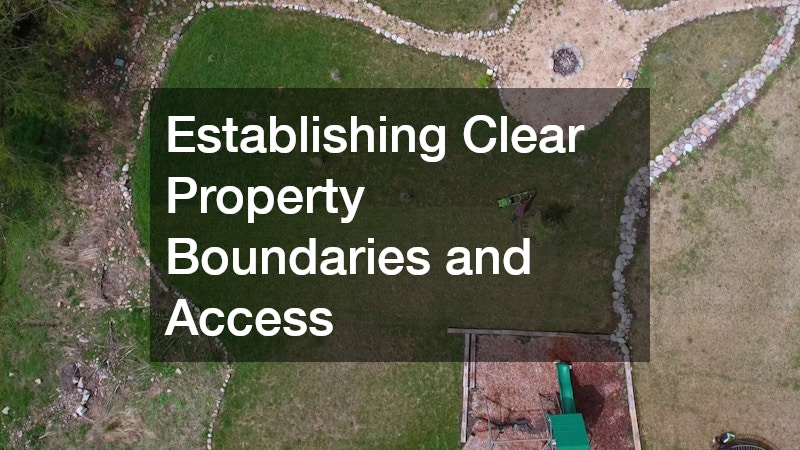
The way a property is defined and accessed influences both usability and privacy. Clear boundaries help organize outdoor areas while supporting security and efficient movement around the site. Access points such as driveways, gates, and walkways should align with how the structure is used on a daily basis. When planned well, these elements help the property feel orderly and easy to navigate.
Working with a fence contractor helps translate boundary and access needs into durable solutions. Fencing can define spaces, manage traffic flow, and support safety without overwhelming the property visually. Proper placement and material choices help boundaries feel intentional while supporting long-term function and maintenance.
Managing Water Flow and Landscape Health
Outdoor water management plays a key role in protecting both the structure and surrounding land. Poor drainage or uneven watering can lead to soil erosion, plant stress, and moisture issues near the building. Planning for water flow supports healthier landscapes while reducing maintenance challenges over time.
Using an irrigation service helps manage water distribution in a controlled and efficient way. Proper system design supports consistent coverage, seasonal adjustments, and reduced water waste. When irrigation is aligned with landscape needs, outdoor areas remain healthy and balanced while supporting the long-term condition of the property.
Handling Materials and Belongings During the Build
Construction projects often require temporary solutions to keep materials and personal belongings protected and organized. During a barndominium build, interior space may not be immediately available, and work zones can change frequently as construction progresses. Planning for temporary storage helps reduce clutter, protect finishes, and keep the site safer and more efficient.
Using mobile storage containers provides a practical way to store tools, materials, and personal items during construction. These containers can be placed conveniently on-site, allowing easy access while keeping belongings secure and out of the way. Having a designated storage solution helps the project move forward with fewer disruptions and supports better organization throughout each phase of the build.
Beyond convenience, temporary storage planning can help prevent damage and loss. Construction environments often expose materials to dust, moisture, and heavy traffic, all of which can affect items left unprotected. Separating stored belongings from active work areas reduces the risk of accidental damage and helps maintain a cleaner job site. This approach also supports better workflow by keeping pathways clear and reducing the need to move items repeatedly.
Temporary storage also offers flexibility as construction progresses. As certain areas are completed, stored items can be relocated gradually rather than all at once. This phased approach helps ease the transition from construction to move-in while allowing the project to remain organized until the final stages are complete.
Incorporating Flexible Storage Solutions
Long-term storage needs should be considered early in the planning process. Barndominiums often support multiple functions, which can create a wide range of storage requirements. From household items to equipment or seasonal belongings, having flexible storage options helps keep living areas functional and uncluttered.
Incorporating storage units into the overall plan allows storage to be separated from daily living spaces when needed. These solutions can support organization without limiting interior flexibility. Thoughtful storage planning helps the structure remain adaptable as needs change, making it easier to manage belongings while preserving usable space inside the building.
Well-planned storage also supports efficiency and comfort. When items have designated places, daily routines become smoother and living areas feel more open. Storage solutions that are easy to access yet visually unobtrusive help maintain balance between function and aesthetics. This is especially important in open-concept spaces where clutter can quickly become noticeable.
Over time, flexible storage allows the building to adapt without major changes. As hobbies, equipment, or household size evolves, storage can be adjusted without reworking core living areas. This adaptability helps the barndominium remain organized and usable through different stages of life.
Planning a barndominium that fits your needs requires careful attention to both immediate priorities and long-term use. From defining the structure’s purpose to coordinating construction, layout, and site features, each decision contributes to how well the space functions over time. When planning is intentional, the finished structure feels cohesive rather than pieced together.
Flexibility, durability, and organization all play important roles in long-term satisfaction. By thinking ahead about storage, adaptability, and daily routines, homeowners can create a space that supports change without constant renovation. Thoughtful planning reduces future limitations and supports consistent performance as needs evolve.
A barndominium designed with these principles in mind offers more than just square footage. It provides a structure that works with daily life rather than against it.