Increasing the resale value of your property is a strategic endeavor that requires a blend of aesthetic intuition and technical maintenance. For many homeowners, the house is their most significant financial asset, and preparing it for the market involves more than just a fresh coat of paint. To truly command a premium price, you must address the core systems of the structure while simultaneously appealing to the modern buyer’s desire for style, efficiency, and comfort.
The real estate market in 2026 places a heavy emphasis on “move-in readiness.” Buyers are increasingly wary of taking on projects immediately after closing, preferring homes where the heavy lifting has already been completed. By focusing on high-impact upgrades—ranging from the integrity of the building envelope to the efficiency of the internal climate systems—you can transform your property into a highly competitive listing.
Establishing a Flawless First Impression

The concept of curb appeal is often discussed, but its impact on the final sale price cannot be overstated. Before a potential buyer even steps through the front door, they have already formed an opinion based on the exterior condition of the property. A home that looks neglected on the outside suggests to the buyer that there may be hidden issues within the walls or foundation.
To ensure your home stands out, you should evaluate the condition of your exterior cladding. Over time, environmental exposure can cause fading, cracking, or warping. Consulting with professional siding companies can provide you with an overview of the latest materials that offer both durability and modern aesthetic appeal. Replacing old vinyl with contemporary fiber cement or high-grade composite materials can drastically change the silhouette of your home.
If a full replacement is not currently in the budget, you can still make significant strides through targeted maintenance. A professional siding service can address specific areas of wear, perform deep cleaning to remove oxidation, and ensure that all panels are properly secured. This attention to detail prevents small issues from becoming red flags during a buyer’s initial walkthrough.
- Landscaping: Trim overgrown bushes and plant seasonal flowers to add a pop of color.
- Lighting: Install modern LED path lights to enhance the home’s evening presence.
- Hardscaping: Power-wash driveways and walkways to remove oil stains and moss.
Fortifying the Structural Integrity of the Roof
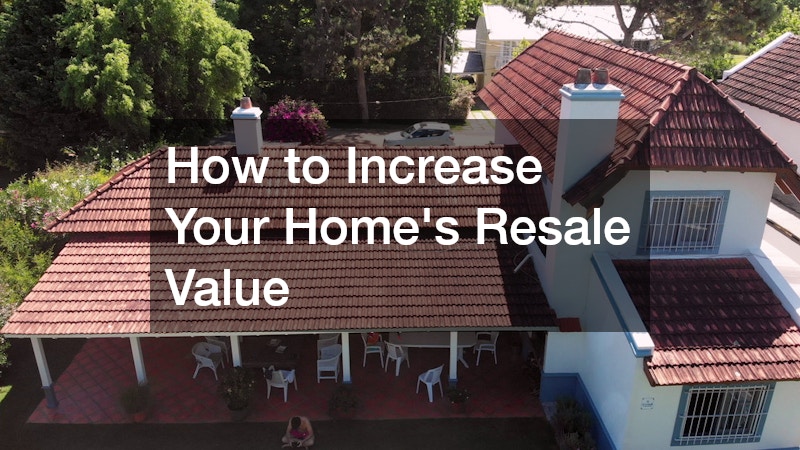
The roof is arguably the most critical component of a home’s resale value. It serves as the primary shield against the elements, and its condition is often the first thing a home inspector will check. A roof that shows signs of aging, such as missing granules or moss growth, can be a major deal-breaker or a significant point of negotiation for a lower price.
For homeowners who want to ensure their sale goes through without a hitch, it is wise to consult a local roofer before listing the property. A professional can identify minor leaks or flashing issues that might not be visible from the ground but could cause a catastrophic failure during a home inspection. Having a documented inspection report can be a powerful tool during price negotiations.
When the roof is nearing the end of its functional life, the most impactful move you can make is investing in new residential roofing. While the upfront cost is significant, the return on investment is often reflected in a higher asking price and a much faster closing time. Buyers are frequently willing to pay more for a home when they know they won’t have to worry about a roof replacement for the next quarter-century.
- Gutter Maintenance: Ensure gutters are clear of debris and draining away from the foundation.
- Flashing Checks: Inspect the metal seals around chimneys and vents for rust or gaps.
- Attic Insulation: Proper insulation works in tandem with the roof to regulate temperature and prevent ice dams.
Enhancing Climate Control and Energy Efficiency

In today’s market, energy efficiency is no longer a luxury; it is an expectation. Buyers are looking for homes that offer lower utility bills and consistent comfort across all seasons. The mechanical systems of your home, specifically the heating and cooling units, play a massive role in how a buyer perceives the value of the property.
If your furnace or air handler has been acting up, scheduling an HVAC repair before you begin showings is essential. A system that struggles to maintain a consistent temperature or makes unusual noises can give the impression that the home has been poorly maintained. Providing a smooth, quiet, and effective climate control experience during an open house makes the space feel more inviting.
To further instill confidence in potential buyers, you should be able to show a history of professional service. Many AC companies offer maintenance plans that include semi-annual tune-ups. Presenting a folder of these service records proves to the buyer that the cooling system has been optimized for peak performance and longevity, reducing their fear of an unexpected mid-summer breakdown.
- Smart Thermostats: Installing a programmable thermostat is a low-cost upgrade that appeals to tech-savvy buyers.
- Duct Cleaning: Professional cleaning can improve indoor air quality and system efficiency.
- Filter Replacement: Always ensure a fresh filter is installed before any professional photography or tours.
Improving Entryways and Access Points
The points of entry to your home are tactile touchpoints for a buyer. Every time a buyer opens a door or walks through a gateway, they are subconsciously judging the quality of the construction. If a door sticks or if the hardware feels flimsy, it detracts from the overall premium feel of the residence.
You should take the time to walk through your home and identify any doors that do not latch correctly or show signs of weather damage. Engaging a professional for local door repairs can solve these issues quickly. Whether it is realigning a frame or replacing a threshold, these small fixes ensure that the home feels solid and secure to anyone exploring the property.
The garage is another area where functionality meets value. If your garage door is dented or operates with a loud, grinding noise, it can be a significant deterrent. A local garage door company can help you choose a replacement that matches the architectural style of your home while providing modern features like ultra-quiet openers and smartphone integration.
- Hardware Upgrades: Replace dated brass handles with modern matte black or brushed nickel finishes.
- Weather Stripping: Replace worn seals to improve the home’s energy envelope.
- Front Door Paint: A bold, tasteful color on the front door can serve as a focal point for the entire exterior.
Addressing Large-Scale Exterior Systems
Consistency is key when it comes to the exterior of a high-value home. All outbuildings, garages, and additions should match the quality and style of the primary structure. When a buyer sees a mismatch in materials, it can make the property feel like a collection of separate projects rather than a cohesive estate.
When planning for a major exterior overhaul, it is beneficial to look at the track records of various roofing companies in your area. You want a contractor who understands the local climate and can recommend materials that will hold up against regional weather patterns. A roof that is aesthetically pleasing and structurally sound adds a layer of “curb appeal” that extends to the very top of the house.
Mechanical reliability in the garage is just as important as the front door. If the overhead door is erratic, it poses a safety risk that will certainly be noted in an inspection report. Staying ahead of the game by performing necessary garage door repairs will prevent last-minute delays in the closing process. This proactive approach shows the buyer that you have taken care of even the most utilitarian aspects of the property.
- Opener Sensors: Ensure safety sensors are properly aligned and functional.
- Spring Tension: Have a professional check the torsion springs to prevent sudden failures.
- Insulated Panels: If your garage is attached, an insulated door can help keep the adjacent rooms warmer.
Internal Aesthetics and Modern Design Trends
While the structural elements provide the foundation for value, the interior design provides the emotional connection. Once the major systems, like the roof and HVAC, are in order, you can focus on the visual elements that help a buyer visualize their life in the space. Neutrality is your best friend when preparing for a sale, as it allows the buyer’s imagination to take center stage.
Lighting is one of the most cost-effective ways to modernize an interior. Replacing old “boob lights” or outdated chandeliers with modern, minimalist fixtures can make a room feel ten years younger. Additionally, ensure that all bulbs are the same color temperature—preferably a warm white—to create a cohesive and high-end atmosphere throughout the entire house.
Kitchens and bathrooms remain the rooms with the highest impact on resale value. You don’t necessarily need a full gut renovation to see a return. Simple upgrades like new cabinet hardware, a modern faucet, or a tile backsplash can provide a fresh look for a fraction of the cost of a full remodel.
- Decluttering: Remove personal items and excess furniture to make rooms feel larger.
- Deep Cleaning: Professionally clean carpets and grout lines to remove odors and stains.
- Minor Paint Touch-ups: Scuff marks on baseboards and walls should be addressed before the first showing.
Navigating the Home Inspection Process

The home inspection is often the most stressful part of the selling process. It is the moment where the “health” of your home is laid bare. However, if you have followed the steps outlined in this guide, you should be able to approach the inspection with total confidence. By pre-vetting your home’s systems, you move from a defensive position to an offensive one.
When an inspector sees that the roof has been recently serviced and the siding is in excellent condition, their report will reflect a well-cared-for home. This positive momentum often leads to a smoother appraisal process as well. Appraisers look for comparable sales, but they also adjust the value based on the “effective age” of the home. A 30-year-old home with a new roof and updated HVAC system has a much lower effective age than a similar home with original components.
Furthermore, keep a dedicated “Home Manual” for the new owners. This should include warranties for the roofing, receipts for HVAC service, and contact information for the contractors you trust. This level of transparency builds incredible trust with the buyer and can often be the deciding factor when they are choosing between your home and another property.
- Documentation: Keep a folder of all permits for major work performed.
- Warranty Transfers: Ensure that any lifetime warranties on windows or roofing are transferable to the new owner.
- Pre-Inspection: Consider hiring your own inspector before listing to find hidden issues early.
The Financial Impact of Strategic Upgrades
Ultimately, increasing your home’s resale value is about mitigating risk for the buyer and maximizing the “wow factor” of the property. Every dollar you spend on a local roofer or a new HVAC system is an investment in the final sale price. While it can be tempting to focus only on the cosmetic details, the structural integrity of the home provides the true foundation for your valuation.
When you combine a beautiful, modern interior with a rock-solid exterior, you create a listing that stands out in any market. Buyers are looking for a sanctuary, not a list of chores. By taking the time to address these essential upgrades now, you ensure that when the “For Sale” sign goes up, you are positioned to receive the best possible offers.
The journey of preparing a home for sale is a marathon, not a sprint. It requires careful planning and a willingness to address the less-glamorous parts of homeownership. From the siding that protects your walls to the garage door that secures your vehicles, every component plays a role in the narrative of your home. By presenting a property that is both beautiful and mechanically sound, you provide the new owners with a place they can be proud of while securing your own financial future through a successful and profitable sale.