
Owning a home for twenty, thirty, or even forty years is a milestone that fewer people achieve today than in generations past. Over those decades, your house has likely served as the backdrop to countless family dinners, weekend projects, and quiet evenings. You have faithfully paid down your mortgage month after month, steadily building a massive reservoir of equity on paper.
Yet, there is often a hidden gap between the equity reflecting on your balance sheet and the actual market value your property can command today. Houses are dynamic physical structures subject to time, weather, and shifting architectural expectations. What was considered cutting-edge, ultra-durable engineering in 1990 or 2000 may now be nearing the end of its functional life. Outdated building materials, original mechanical equipment, and worn exterior surfaces can quietly erode a property’s true appraisal potential.
When long-time homeowners decide it is time to access that equity—whether to sell and downsize, secure a reverse mortgage, or simply leave a pristine asset to their heirs—they are often surprised by how harsh modern home inspections can be. Buyers today are far less interested in taking on massive deferred maintenance projects. They want homes that are efficient, secure, resilient, and move-in ready.
Maximizing your home’s value is not about chasing superficial, fleeting interior design trends that will look dated in five years. Instead, it requires a deliberate, strategic approach to modernizing the foundational elements of your property. By focusing on high-return structural, mechanical, and envelope upgrades, you can transform decades of steady ownership into the highest possible financial return while enjoying a more comfortable, worry-free living space right now.
Strengthening Your Home’s Envelope and Exterior
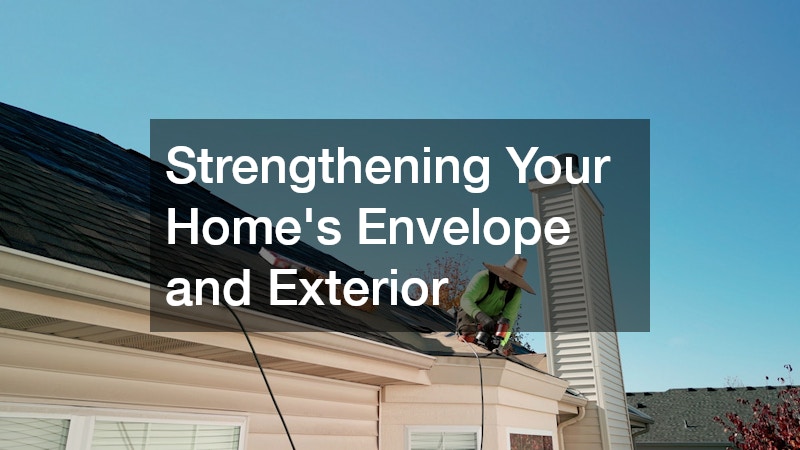
Consider the exterior of your property as its primary shield against the elements. Over a span of twenty to thirty years, wind, rain, ultraviolet light, and ambient temperature fluctuations slowly degrade even the highest-quality initial construction materials. When an appraiser or prospective buyer pulls up to your curb, the building envelope forms their immediate impression. If the exterior looks tired or compromised, the assumption is automatically made that the internal systems have been similarly neglected.
Protecting Structural Integrity and Maximizing Curb Appeal
Take a walk around your home’s perimeter and look closely at the exterior walls. Original wood, pressboard, or early-generation vinyl siding often shows clear signs of aging after a few decades. You might spot faded colors, warped panels, cracking around corners, or subtle signs of rot near the foundation. Beyond the obvious visual drawback, compromised exterior cladding allows water vapor to penetrate the underlying wall sheathing, setting the stage for hidden mold growth and structural decay.
Executing a full siding replacement with modern composite, fiber cement, or heavy-gauge insulated vinyl completely transforms the silhouette of an older residence. Today’s exterior materials offer dramatically better impact resistance and color retention than options available twenty years ago. More importantly, removing old cladding gives contractors a rare opportunity to inspect the house wrap, repair hidden sheathing damage, and install high-performance vapor barriers before the new panels go up. This single upgrade instantly modernizes the visual profile of your house while reassuring buyers that the underlying frame is entirely bone-dry and protected.
Modernizing Entryways to Improve Security and Overall ROI
While wall cladding forms the majority of your exterior surface area, large structural openings represent both primary visual focal points and significant operational liabilities. The garage entrance, in particular, occupies a massive percentage of your home’s front facade. A faded, dented, or noisy overhead door from the late nineties instantly dates the entire property, regardless of how well-landscaped the front yard might be.
Investing in a professional garage door installation service yields one of the highest returns on investment of any residential remodeling project. Modern garage doors incorporate thick polyurethane insulation cores, robust steel or composite facings, ultra-quiet belt-driven openers, and smart security features. Upgrading this single entry point dramatically sharpens your home’s curb appeal while preventing massive thermal losses in adjacent living spaces or attached garages.
Upgrading Core Mechanical Systems to Eliminate Buyer Hesitation
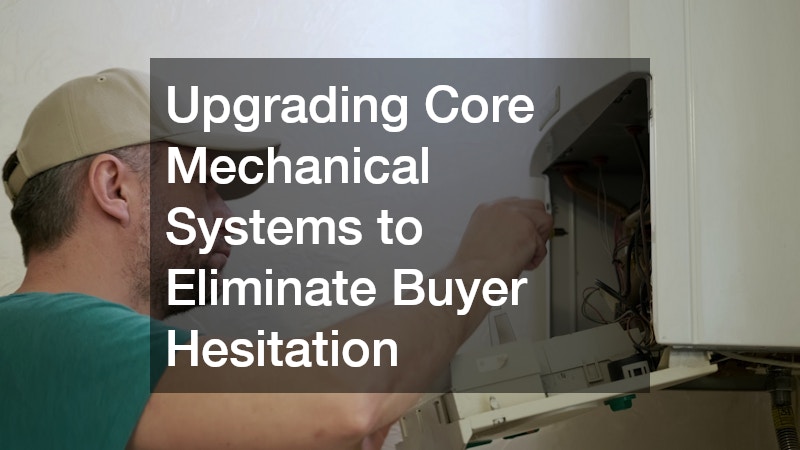
Imagine a scenario where a qualified buyer falls in love with your home’s layout, location, and aesthetic finishes. They make a competitive offer, and the contract is signed. Two weeks later, the home inspector climbs out of the attic or basement with a clip board full of red flags detailing 25-year-old mechanical systems living on borrowed time. Suddenly, the buyer demands tens of thousands of dollars in price concessions, or worse, walks away from the deal entirely.
To tackle these core mechanical upgrades effectively, keep a clear upgrade roadmap in mind:
- HVAC Modernization: Transitioning to high-SEER cooling and heating systems.
- Plumbing System Audit: Verifying pipe integrity and checking water pressure.
- Hot Water Upgrades: Installing high-efficiency traditional storage tanks or tankless units.
Replacing Aging Climate Control Systems for Modern Efficiency
Air conditioning technology has evolved exponentially over the past two decades. If your home is still running on a central unit installed in the early 2000s, it is likely utilizing outdated refrigerants and operating at a Seasonal Energy Efficiency Ratio (SEER) that pales in comparison to modern standards. Aging units run longer, struggle to control interior humidity during peak summer months, and are prone to sudden compressor failure during heatwaves.
Scheduling a complete AC installation to replace a limping, legacy system removes a major point of friction for future home surveys. Modern high-efficiency heat pumps and air conditioners operate at whisper-quiet sound levels, precise variable speeds, and significantly lower monthly electricity usage. When you can present potential buyers or appraisers with documentation showing a brand-new, high-SEER climate control system under warranty, you instantly eliminate one of the largest financial unknowns associated with buying an older property.
Auditing Infrastructure to Prevent Unseen Structural Water Damage
Water is the single most destructive force a home faces over its lifespan. While a minor roof leak is usually obvious, aging indoor pipe networks tend to fail slowly and silently. Decades of mineral build-up, galvanic corrosion, and pressure fluctuations can thin the interior walls of galvanized steel or early copper piping, leading to pinhole leaks inside finished drywall or beneath subfloors.
A comprehensive review of your residential plumbing infrastructure is critical prior to placing a long-held home on the market or completing cosmetic renovations. Swapping out degraded supply lines with modern PEX or high-grade copper prevents catastrophic plumbing failures that could ruin new flooring or custom cabinetry.
As part of this infrastructure overhaul, pay close attention to your domestic hot water source. A traditional tank that has been heating water for over a decade is a ticking time bomb for basement flooding. Arranging a modern water heater installation—whether transitioning to a high-recovery, insulated tank model or a space-saving tankless system—ensures immediate, continuous hot water while reassuring future owners that their basement or utility closet will remain dry.
Optimizing Energy Efficiency to Lower Operating Expenses
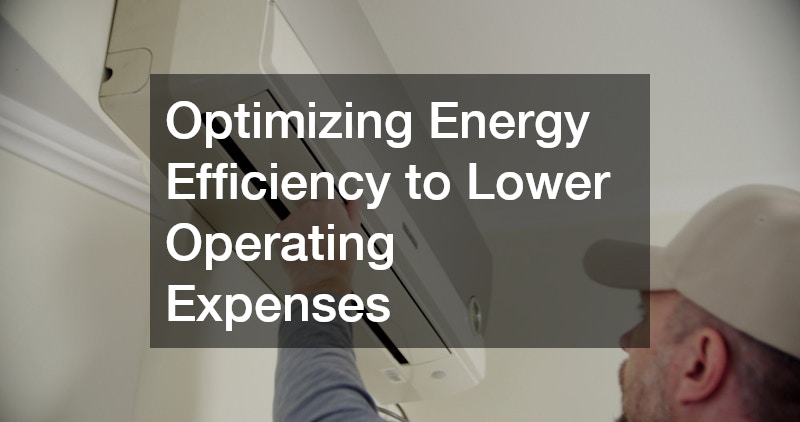
Long-time homeowners often become accustomed to high monthly utility bills, accepting them as an inevitable cost of living in an older property. However, modern building science has proven that drafts, uneven room temperatures, and skyrocketing energy bills are entirely fixable problems. Creating a tight, well-insulated building envelope pays immediate dividends in daily physical comfort while providing concrete financial metrics to show prospective buyers.
To systematically tackle efficiency losses, follow a clear, top-to-bottom strategy:
- Conduct a Comprehensive Thermal Audit
- Hire a certified technician to perform a blower door test and thermal imaging scan.
- Pinpoint invisible air leaks around attic access hatches, electrical outlets, recessed lighting fixtures, and floor joists.
- Remediate the Attic and Exterior Wall Envelope
- Remove old, settled, or moisture-damaged thermal batts that no longer provide adequate resistance values.
- Seal all ceiling penetrations with expanding foam before laying down new materials.
- Install modern blown-in cellulose or high-density spray insulation to achieve recommended R-values for your regional climate zone.
- Upgrade Window Openings and Perimeter Seals
- Inspect original window frames for frame rot, failed sashes, or compromised perimeter caulking.
- Replace single-pane or failed double-pane units with modern low-E glass options.
Sealing Thermal Leaks in the Attic and Exterior Walls
In an aging home, heat naturally rises and escapes through the attic during winter, while hot attic air radiates down into living spaces during summer. If your attic has not been evaluated in fifteen years, the existing fill has likely settled, lost its effectiveness, or been disturbed by past tradeswork. Adding fresh thermal barriers in the attic space and air-sealing the wall cavities is one of the most cost-effective ways to immediately stabilize indoor temperatures across every floor of your house.
Eliminating Drafts and Sun Damage with Modern Glass
Original wood or aluminum windows from past decades are notorious thermal bridges. Over time, the seals on double-pane units fail, leading to foggy glass, trapped condensation, and continuous cold drafts. Furthermore, older glass lacks modern ultraviolet coatings, allowing sunlight to fade your interior furniture, artwork, and flooring over time.
Executing targeted window replacements throughout the home transforms both its interior ambiance and exterior appearance. Contemporary vinyl, composite, or clad-wood frames featuring double or triple-pane argon-filled glass dramatically cut outside noise pollution and virtually eliminate thermal transfer. The result is a quiet, draft-free interior environment that operates at a fraction of the heating and cooling cost of a house with original glazing.
Fortifying the Structure Against Extreme Weather Events

Depending on where your property is located, severe weather can pose an existential threat to your accumulated home equity. High winds, intense coastal storms, and unpredictable weather patterns mean that structural resilience is no longer an optional luxury—it is a primary requirement for securing affordable homeowner insurance and protecting your financial investment.
Reinforcing Structural Openings Against High Winds and Storms
During a severe windstorm, the single largest point of vulnerability on most properties is the wide opening of the garage. If high winds manage to buckle a standard, unreinforced garage door, air rushes inside the structure, creating massive internal uplift pressure that can literally lift roof trusses off the exterior walls. Once the roof envelope is compromised, structural loss is often total. Standard doors tend to buckle under pressure, causing tracks to twist and pull away from the wall.
In contrast, investing in heavy-duty impact systems makes a profound difference. Utilizing reinforced vertical steel struts, heavy-gauge commercial tracking, and wind-load rated impact panels keeps the building envelope tightly sealed against high-pressure wind dynamics and flying debris.
For homeowners in regions subject to severe weather, replacing older, flimsy garage doors with certified hurricane garage doors is a crucial risk-management strategy. These engineered systems feature heavy-gauge reinforced steel struts, high-wind tracking systems, and impact-rated solid panels designed to withstand severe air pressure dynamics and flying debris. Beyond protecting your family and structural investment during a storm, installing impact-rated garage openings can significantly reduce annual property insurance premiums, adding a recurring financial benefit to your equity-building strategy.
Modernizing Living Spaces with Low-Maintenance, High-Impact Finishes
Once the structural, mechanical, and efficiency upgrades are complete, your focus can shift toward interior and exterior living surfaces. Modern buyers and appraisers place a premium on clean, timeless, low-maintenance materials that minimize ongoing maintenance chores.
Restoring and Elevating Main Living Floor Surfaces
Flooring covers every square foot of your home’s interior, making it one of the first visual and tactile elements anyone notices upon entering. When evaluating your options, traditional wall-to-wall carpet tends to trap allergens, shows traffic patterns quickly, requires periodic replacement, and can lower property appraisal values. On the other hand, genuine hardwood floors are hypoallergenic, carry a timeless aesthetic appeal, can be refinished for multiple decades of use, and deliver an exceptionally high return on investment.
Replacing dated carpet or worn vinyl with solid or engineered hardwood floors creates a seamless, elegant flow across main living areas. Genuine wood surfaces are timeless; they can be sanded and refinished multiple times over decades of use, offering unmatched longevity. The warm, clean aesthetic of natural wood instantly elevates the perceived value of your interior spaces, creating an open, luxurious feel that appeals to every generation of buyer.
Eliminating Yard Care and Boosting Outdoor Living Appeal
Outdoor spaces have evolved from simple patches of grass into true extensions of the indoor living area. However, maintaining a pristine natural lawn requires relentless weekend labor, expensive fertilizers, constant mowing, and thousands of gallons of water each year. Traditional turf requires weekly mowing, high water bills, chemical fertilizers, and often leaves seasonal mud patches. By contrast, modern outdoor maintenance alternatives like a professional artificial turf service provide an entirely different experience: zero mowing, zero irrigation, chemical-free cleanliness, and a vibrant, year-round green appearance.
Partnering with an artificial turf service allows you to reimagine problematic backyard areas, shaded side yards, or high-traffic pet zones. High-quality synthetic turf installed over a properly drained aggregate base provides a lush, deep-green outdoor space thirty-five days a year without a drop of irrigation or a single pull of a lawnmower starter cord. Eliminating lawn maintenance chores while maintaining flawless exterior presentation significantly increases the usable, low-stress square footage of your property.
Securing Your Financial Legacy Through Smart Upgrades
Building equity in a long-held property is a marathon, not a sprint. Over twenty or thirty years, the steady payment of your mortgage principal lays the foundation for financial independence. However, realizing the maximum possible return on that investment requires an active stewardship strategy. Leaving major structural, mechanical, and envelope systems unchecked can lead to sudden depreciation and stressful inspection negotiations down the road.
By taking a systematic approach to updating your property, you systematically remove financial risks. Replacing worn exterior cladding, modernizing aging climate systems, sealing the thermal building envelope, reinforcing structural openings against severe weather, and installing timeless interior and exterior finishes transforms an older house into a resilient, high-performing asset.
Whether your goal is to market your house for top dollar next spring or simply to live out your retirement in complete comfort and security, these strategic improvements ensure your home remains a source of pride, safety, and maximum financial value for decades to come.