
Investing in home upgrades can transform your living space, increase comfort, and even boost your property value. From structural improvements to aesthetic touches, the possibilities are endless—but with so many options, it’s easy to feel overwhelmed. Knowing the right questions to ask before you begin can save time, money, and unnecessary stress. Proper planning ensures that each upgrade meets your needs, fits your budget, and adds long-term value.
Whether you’re considering minor updates or significant renovations, preparation is key. Understanding costs, timelines, material quality, and professional expertise can prevent common pitfalls. This guide walks homeowners through critical considerations, helping you make informed decisions. By asking the right questions upfront, you’ll ensure your home improvements achieve your vision while avoiding costly mistakes.
Assessing Your Home Improvement Goals

Before discussing specific projects or contacting contractors, it’s essential to define your goals. Are you looking to improve functionality, enhance aesthetics, or increase home value? Knowing your priorities will shape every subsequent decision. Homeowners often find that creating a clear vision upfront helps them compare project proposals more effectively and communicate expectations to professionals.
Setting priorities also includes understanding how each upgrade fits into your long-term plans. For example, you might want to renovate one area now while planning additional improvements later. Having a roadmap ensures investments align with your lifestyle and property goals.
It’s equally important to consider maintenance and longevity. Upgrades can range from short-term aesthetic enhancements to long-lasting structural improvements. Understanding how each option will age over time allows homeowners to make choices that won’t require frequent repairs. Consulting experts in various fields can help clarify these considerations and identify which solutions best suit your property.
Budget Considerations and Financial Planning
Establishing a realistic budget is one of the most important steps before starting any home improvement project. Costs can vary widely depending on the type of work, materials, and contractor fees. Preparing financially ensures that you can complete the project without compromising quality or leaving it unfinished.
When planning, factor in not only the initial investment but also potential ongoing maintenance costs. For example, while adding new systems or features may improve functionality, some upgrades may require periodic servicing or adjustments. This foresight prevents unexpected expenses and allows homeowners to weigh the return on investment.
Homeowners should also explore financing options and potential incentives. Certain upgrades, such as energy-efficient improvements or water-saving systems, may qualify for rebates or tax credits. Asking contractors about payment structures, warranties, and guarantees is crucial. A clear understanding of financial obligations and benefits helps homeowners make informed decisions that match both short-term capabilities and long-term goals.
Choosing the Right Professionals

Selecting qualified professionals is critical to a successful home improvement project. Whether you’re hiring contractors, designers, or specialized service providers, experience, reputation, and credentials matter. Interviewing multiple professionals allows homeowners to compare skill levels, pricing, and approaches.
For example, hiring a flooring contractor requires evaluating their track record, installation techniques, and material knowledge. Similarly, selecting reputable deck builders ensures structural safety, proper design, and compliance with local regulations. Engaging professionals with expertise in their specific field reduces risks and provides peace of mind.
Communication is equally important. A clear understanding of timelines, processes, and expectations prevents misunderstandings. Homeowners should feel comfortable asking about previous projects, references, and certifications. Professionals who are transparent, responsive, and knowledgeable help streamline the process and enhance the overall outcome of any home upgrade.
Understanding Materials and Quality
Material selection directly impacts the durability, safety, and aesthetic appeal of your home improvements. Knowing the differences between materials, finishes, and quality standards is crucial before committing to any investment. High-quality materials may cost more initially but often reduce maintenance costs and extend the lifespan of upgrades.
For example, when considering glass showers, it’s important to ask about the thickness, tempering, and installation methods. Similarly, structural features such as decks or fences require materials suited for long-term exposure to weather and daily use. Engaging suppliers or contractors who can explain material benefits helps homeowners make informed choices.
Quality considerations also include compatibility with existing home features. Using inappropriate materials or substandard products can lead to premature wear, repairs, or safety hazards. By evaluating material options carefully, homeowners ensure that every upgrade is not only functional but also adds lasting value and aesthetic appeal.
Timing Your Project With Smart Scheduling

Understanding project timelines is another critical step in planning home upgrades. Delays can occur due to material availability, contractor schedules, or unforeseen structural issues. Asking detailed questions about expected durations, milestones, and potential obstacles helps homeowners plan accordingly.
Proper scheduling ensures minimal disruption to daily life. For instance, coordinating upgrades like landscape lighting services or irrigation systems with other construction work prevents overlap and reduces the risk of damage. Seasonal factors may also influence timing, particularly for outdoor projects. Discussing optimal schedules with contractors provides realistic expectations.
Being proactive in scheduling helps homeowners anticipate temporary inconveniences and ensures a smoother workflow. When multiple professionals are involved, coordinated timelines prevent bottlenecks and improve efficiency. Well-planned timing enhances both the quality of work and the overall homeowner experience.
Prioritizing Safety and Compliance
Safety and compliance should never be overlooked in home improvement projects. Homeowners should inquire about licensing, insurance, and adherence to local building codes. This protects both the property and the individuals performing the work.
Specialized services, such as electrical upgrades, require strict adherence to safety standards to prevent accidents or long-term hazards. Understanding local regulations and permitting requirements ensures that projects are legal and up to code. Asking contractors about their compliance procedures helps homeowners avoid fines, delays, or unsafe conditions.
In addition, safety considerations extend to materials and installation methods. Features like fireplaces must meet rigorous standards to ensure proper function and security. Prioritizing safety reduces long-term risks and ensures that upgrades contribute to a home’s value without compromising wellbeing.
Considering Long-Term Maintenance
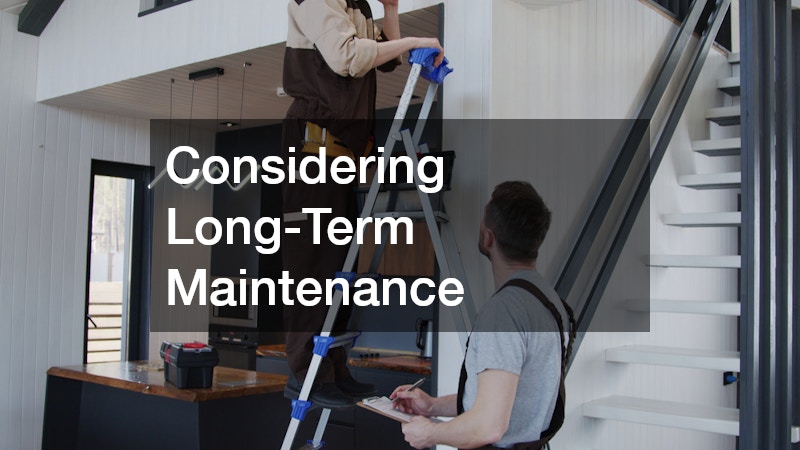
Thinking about long-term maintenance is essential for maximizing the value of home improvements. Every upgrade has a lifespan, and some require regular upkeep while others are virtually maintenance-free. Homeowners who understand these requirements upfront can plan more effectively, avoid unnecessary repairs, and protect their investment over time. Asking professionals detailed questions about proper care and maintenance ensures that each improvement continues to perform optimally.
For example, custom fence builders can provide guidance on protective coatings, treatments, and recommended upkeep schedules to prolong the lifespan of wood, metal, or composite fences. Regular inspections and preventative care prevent damage from weather or wear and tear, helping the structure remain both functional and visually appealing. Following their advice ensures your fence stays durable, attractive, and a lasting asset to your property. Systems such as water treatment services require routine checks and adjustments to maintain efficiency and effectiveness. Knowing what tasks need to be performed, how frequently, and whether professional service is required allows homeowners to allocate time and budget appropriately.
Maintenance considerations also play a key role in material and system selection. Choosing durable, high-quality materials may involve a higher upfront cost, but it reduces the likelihood of frequent repairs and replacement. Conversely, selecting systems designed for ease of maintenance can save both time and stress in the long run. By planning for ongoing care from the beginning, homeowners can ensure that their upgrades continue to deliver benefits, enhance comfort, and maintain property value for many years. Proper preparation today translates into lasting enjoyment and fewer surprises tomorrow.
Enhancing Home Function and Aesthetics
A successful home improvement project balances functionality and aesthetics, ensuring that each enhancement not only looks good but also serves a purpose. Every upgrade should either solve a problem, improve daily living, or elevate the overall appeal of your property. Taking the time to ask thoughtful questions about how new features will integrate with existing spaces is essential. This ensures that all improvements work harmoniously rather than feeling tacked on or out of place. Careful planning at this stage reduces the risk of costly mistakes, design mismatches, or inconvenient layouts that may interfere with your home’s usability.
For instance, strategically placing landscape lighting services can highlight key areas of your yard, increase safety at night, and create a welcoming ambiance. Similarly, installing irrigation systems in the right locations keeps your garden healthy while conserving water and reducing maintenance efforts. Interior upgrades, such as glass showers or fireplaces, not only enhance visual appeal but also improve comfort and functionality in everyday life. Discussing design, layout, and material choices with professionals ensures that each element complements your home’s existing features, creating a cohesive, polished look.
Functionality and aesthetics often intersect in ways that amplify the benefits of your investment. Thoughtfully designed upgrades can improve the flow of your home, increase efficiency, and enhance enjoyment for both residents and visitors. At the same time, visually appealing enhancements add personality, sophistication, and value to your property.
Maximizing Value and Return on Investment
Finally, understanding how upgrades impact property value is crucial for any homeowner considering improvements. Not every home enhancement offers the same financial return, so it’s important to ask questions about potential resale value, long-term savings, and overall market appeal before committing to a project. By evaluating each option carefully, homeowners can make decisions that align with both their lifestyle goals and investment objectives.
Projects like home additions or hiring skilled deck builders can significantly increase livable space, making a property more attractive to prospective buyers. Expanding functional areas such as family rooms, master suites, or outdoor entertaining spaces often results in a higher perceived value and a stronger market position. Similarly, improvements completed by experienced flooring contractors or updates to fireplaces can enhance visual appeal and elevate a home’s overall aesthetic. Even smaller, well-chosen upgrades—such as adding landscape lighting services—can improve curb appeal and create a more welcoming environment, contributing to the overall impression of quality and care.
Evaluating the potential return on investment (ROI) involves more than initial costs. Homeowners should consult professionals about long-term benefits, including energy savings, durability, and anticipated maintenance. Understanding how each upgrade will perform over time ensures that your spending is strategic and effective. By planning wisely, asking the right questions, and prioritizing high-impact improvements, homeowners can make upgrades that not only enhance comfort and functionality but also increase property value. Smart planning ensures that every dollar spent supports both enjoyment today and financial benefits tomorrow.
Evaluating Contractor Reliability and Warranties
One of the most critical considerations before starting any home improvement project is evaluating the reliability of the professionals you hire. Even with the best planning and materials, a project can be compromised if contractors are inexperienced, overbooked, or fail to communicate effectively. Asking the right questions about their background, previous work, and guarantees can help you avoid costly mistakes.
Homeowners should request references and check reviews or testimonials from past clients. Speaking directly with previous customers provides insight into workmanship, timeliness, and professionalism. For example, if you’re considering hiring experts like deck builders, understanding how well the contractor handled prior installations can reveal potential challenges or red flags. A deck will be something you have for decades, so it’s imperative that you start off with an installation that offers peace of mind.
Warranties and guarantees are equally important. Clear agreements on what is covered, the duration of coverage, and the process for addressing issues protect homeowners from unexpected repair costs. Whether it’s a glass shower installation, a custom fence builder, or home additions, knowing that the work is backed by a reputable guarantee provides peace of mind.
Finally, ensure that contractors are licensed, insured, and compliant with local regulations. This protects both the homeowner and the project, reducing liability in case of accidents or damages. Evaluating reliability and warranties upfront ensures that your home upgrades are not only high-quality but also secure and long-lasting, giving you confidence in your investment.
Investing in home improvements can transform your living environment, but thoughtful planning is essential. Asking the right questions before starting any project helps homeowners clarify goals, choose quality materials, select skilled professionals, and anticipate maintenance needs. By focusing on safety, scheduling, and long-term value, you ensure each upgrade delivers lasting benefits.
From electrical upgrades to glass showers, deck builders, flooring contractors, and custom fence builders, each project has unique considerations. Taking the time to prepare allows homeowners to maximize enjoyment, efficiency, and return on investment. Careful planning, informed questions, and attention to detail are the keys to successful home improvements that enhance both lifestyle and property value.