Improving your home isn’t just about aesthetics—it’s about making daily life easier while also increasing long-term value. Strategic upgrades can enhance comfort, reduce maintenance, and attract future buyers if you ever decide to sell. The key is choosing improvements that balance personal enjoyment with smart investment.
This guide breaks down ten upgrades that consistently deliver convenience and strong returns. Each section focuses on practical decisions, common pitfalls, and tips to help homeowners get the most out of their investment.
1. Create a More Functional and Efficient Cooking Space
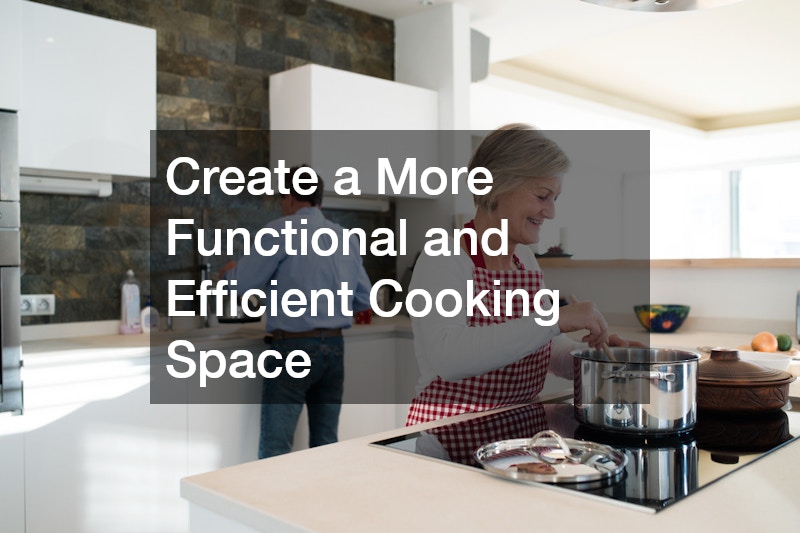
A well-designed kitchen should reduce friction in everyday routines while serving as a central gathering place. When planning kitchen remodeling, focus first on workflow rather than finishes. The classic work triangle—sink, stove, and refrigerator—still matters, but modern layouts often benefit from defined zones for prep, cooking, cleaning, and storage.
Consider upgrading cabinetry with soft-close hinges, pull-out shelves, and vertical dividers for trays and cutting boards. These small changes dramatically improve usability. Lighting is another high-impact upgrade: layered lighting that combines recessed fixtures, under-cabinet lighting, and task pendants makes the space safer and more inviting.
Energy-efficient appliances may cost more upfront, but they reduce utility bills and appeal to future buyers. Stick with neutral colors for permanent elements while using hardware or décor to add personality. A thoughtfully planned kitchen upgrade improves daily convenience while remaining one of the strongest value boosters in a home.
2. Choose Durable Surfaces That Combine Style and Practicality
Countertops endure constant wear, so selecting the right material is critical. During countertop installation, prioritize durability, maintenance requirements, and how the surface fits your lifestyle. Quartz is popular for its resistance to stains and minimal upkeep, while granite offers natural beauty with proper sealing.
Pay attention to edge profiles and overhangs, which can subtly influence both safety and appearance. Rounded edges are ideal for households with children, while waterfall edges create a modern, high-end look. Also consider backsplash integration—extending the same material up the wall can reduce grout lines and simplify cleaning.
Professional installation is essential for longevity. Poor seams or uneven support can lead to cracking over time. When done correctly, new countertops elevate the entire space and signal quality craftsmanship to potential buyers.
3. Upgrade Underfoot Comfort While Boosting Longevity
Replacing worn surfaces underfoot is one of the most noticeable improvements you can make. Modern flooring options offer impressive durability without sacrificing style. Luxury vinyl plank and engineered hardwood provide moisture resistance and easy maintenance, making them ideal for busy households.
Before choosing materials, evaluate foot traffic, pets, and climate. Basements and entryways benefit from water-resistant options, while bedrooms may prioritize warmth and comfort. Consistency matters too—using cohesive flooring throughout main living areas creates visual flow and can make a home feel larger.
Proper subfloor preparation is just as important as the material itself. Addressing squeaks, unevenness, or moisture issues ensures the upgrade lasts for decades. New flooring instantly refreshes interiors while offering a strong return on investment.
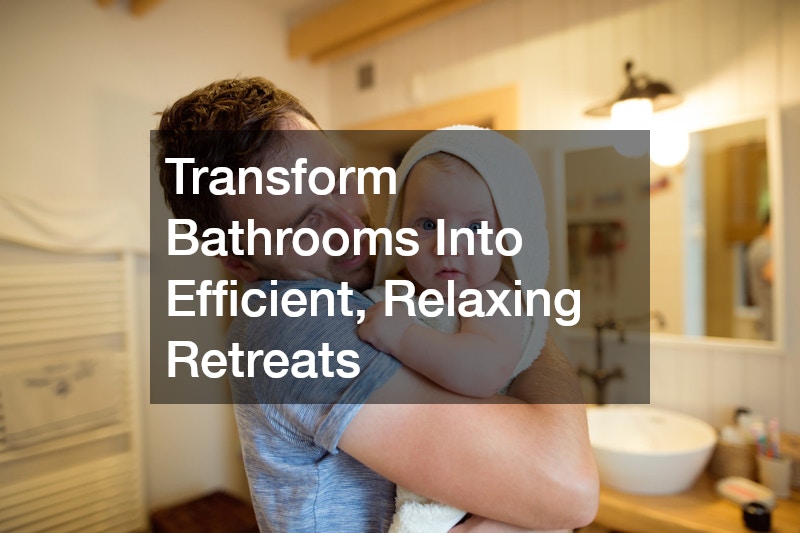
4. Transform Bathrooms Into Efficient, Relaxing Retreats
Bathrooms serve both functional and emotional roles in a home. Effective bathroom remodeling balances efficiency with comfort. Start by improving layout issues—adding storage niches, widening walkways, or replacing bulky vanities with floating options can make small spaces feel larger.
Water-saving fixtures such as low-flow toilets and efficient showerheads reduce utility costs while appealing to eco-conscious buyers. Heated floors, improved ventilation, and layered lighting add daily comfort without excessive expense.
Neutral tile choices with subtle texture or pattern tend to age better than bold trends. Focus on quality waterproofing behind walls and under floors, as hidden issues can quickly erase any value gained. A well-executed bathroom upgrade increases both convenience and buyer confidence.
5. Expand Living Space Without Sacrificing Flow
When space feels tight, adding square footage can dramatically change how a home functions. Thoughtfully planned home additions should feel like a natural extension rather than an afterthought. Whether it’s a sunroom, extra bedroom, or expanded family area, continuity in ceiling height, flooring, and trim helps the new space blend seamlessly.
Consider how the addition improves daily life—does it reduce overcrowding, create a home office, or provide flexible guest space? Proper placement of windows and doors ensures natural light and ventilation, preventing the area from feeling closed off.
Always factor in zoning rules, structural requirements, and long-term maintenance. Well-designed additions offer one of the highest value increases when they solve real usability problems.
6. Improve Privacy and Light Control With Simple Enhancements
Window treatments often get overlooked, yet they play a major role in comfort, privacy, and energy efficiency throughout the home. High-quality window blinds help regulate natural light, reduce glare on screens, and create a more comfortable indoor environment at all hours of the day. By controlling heat gain in summer and heat loss in winter, well-designed blinds can also contribute to more consistent indoor temperatures and lower energy costs. Cellular or layered designs are especially effective, as their structure traps air and adds an extra layer of insulation.
Functionality should guide selection just as much as appearance. Cordless or motorized options improve safety and ease of use, particularly in homes with children, pets, or tall or hard-to-reach windows. Programmable motorized systems can automatically adjust throughout the day, optimizing light and privacy without constant manual adjustments. This kind of automation adds a subtle but meaningful level of daily convenience.
Aesthetic choices matter as well. Neutral colors with subtle textures tend to complement a wide range of interior styles and allow homeowners to refresh décor without replacing window treatments. Light-filtering options work well in living areas, while blackout styles enhance sleep quality in bedrooms. Custom-fitted blinds not only look cleaner and more intentional but also operate more smoothly and last longer. This relatively affordable upgrade delivers immediate comfort benefits and gives interiors a polished, thoughtfully finished appearance.

7. Add Low-Maintenance Outdoor Features That Encourage Use
Outdoor spaces extend your living area when designed for ease and enjoyment, and a pool can become a central feature rather than a constant responsibility. Regular pool services help ensure that a pool remains an asset instead of a source of stress. Consistent professional care keeps water chemistry balanced, equipment functioning efficiently, and surfaces protected from long-term damage.
Modern technology has made pool ownership far more convenient. Automated cleaning systems reduce manual labor, while energy-efficient pumps lower operating costs without sacrificing performance. Smart monitoring systems allow homeowners to track water quality, temperature, and equipment status from their phones, making it easier to stay ahead of maintenance needs even during busy weeks.
Safety upgrades are equally important. Secure covers, proper fencing, alarms, and slip-resistant decking increase peace of mind and are often viewed favorably by future buyers. These features not only protect users but also demonstrate thoughtful planning and responsible ownership.
Landscaping around the pool should prioritize durability and low upkeep. Choosing plants that resist shedding, ensuring proper drainage, and using hardscaping where appropriate can significantly reduce cleanup and maintenance. A well-maintained pool area increases lifestyle value, encourages more frequent use, and can greatly enhance a home’s appeal—especially in warm climates where outdoor living is a priority.
8. Strengthen Daily Access Points With Reliable Hardware
Garage doors are used multiple times a day, yet problems often go unnoticed until failure occurs, often at the most inconvenient moment. Addressing issues early through timely garage door repairs helps maintain smooth operation, improves safety, and prevents minor wear from escalating into costly structural damage. Components such as springs, rollers, cables, and tracks experience constant stress, and even small misalignments can strain the entire system if left uncorrected.
Replacing worn springs restores proper balance, reducing strain on the opener and extending its lifespan. Updating bent or corroded tracks improves stability and minimizes jerky movement, while upgraded rollers can significantly reduce noise—an important consideration when garages are attached to living spaces. Installing smart openers adds another layer of reliability, allowing homeowners to monitor and control access remotely, receive alerts if the door is left open, and integrate with broader home security systems.
Insulated doors offer additional benefits by helping regulate temperature in adjacent rooms, especially in homes where the garage shares walls with bedrooms or living areas. This insulation can reduce energy loss, improve comfort, and even dampen outside noise. Modern openers with battery backup ensure continued operation during power outages, adding convenience and peace of mind.
A smoothly operating garage door enhances curb appeal, signals responsible home maintenance to potential buyers, and reinforces the impression that the home has been well cared for throughout.
9. Protect Your Home While Enhancing Energy Efficiency
Entryways are critical for both security and comfort, serving as the first line of defense against weather, noise, and unwanted intrusion. Installing impact doors improves resistance to extreme conditions while also helping stabilize indoor temperatures. Their reinforced construction reduces air leakage, which can lower heating and cooling demands and create a more consistent indoor environment throughout the year. For homeowners in challenging climates, this upgrade offers both peace of mind and everyday comfort.
Beyond durability, these doors contribute significantly to sound insulation, blocking traffic noise, wind, and outdoor activity. Many models feature reinforced frames, heavy-duty hinges, and multi-point locking systems that distribute pressure evenly across the door, increasing both safety and longevity. When combined with modern locking technology, these features enhance security without sacrificing ease of use.
Design flexibility is another advantage. Homeowners can choose styles that balance strength with visual appeal—glass inserts with protective layers allow natural light to brighten entryways while maintaining structural integrity. Finishes and hardware can be selected to complement the home’s exterior, ensuring the upgrade enhances curb appeal as well as function.
Proper installation and sealing are essential to achieve full energy-efficiency benefits. Precision fitting, quality weatherstripping, and professional installation prevent gaps that undermine performance. Upgrading entry doors delivers immediate comfort improvements, reduces long-term energy costs, and remains especially attractive in regions prone to severe weather or fluctuating temperatures.

10. Define Outdoor Boundaries With Purpose and Style
A well-planned fence installation offers privacy, security, and aesthetic structure to a property, but its true value lies in how well it supports the daily use of outdoor spaces. Before selecting materials or styles, homeowners should consider the primary purpose of the fence—whether it’s to keep pets contained, create a quiet retreat, improve safety, or simply add visual definition to the yard. Clarifying this goal early helps guide smarter decisions and prevents costly changes later.
Material choice should align with climate, maintenance preferences, and neighborhood standards. Vinyl and composite options require minimal upkeep and resist moisture, insects, and warping, making them ideal for busy homeowners or harsh weather conditions. Wood, while requiring more regular maintenance, offers timeless character and can be customized with stains or paint to match evolving exterior styles. Metal fencing may work well for front yards or decorative boundaries where visibility is important.
Fence placement should enhance usability—creating safe play areas, protecting gardens, or defining entertaining spaces without making the yard feel closed in. Paying attention to gate placement, sightlines, and access points improves convenience and flow. Thoughtful design elements such as mixed materials, lattice tops, horizontal slats, or subtle decorative accents can elevate the overall look without overwhelming the landscape.
A quality fence adds functional value while contributing to a cohesive exterior appearance, reinforcing the sense that the property is well cared for and intentionally designed.
The most valuable home upgrades are those that improve how you live every day while standing the test of time. Projects that reduce friction in daily routines—making spaces easier to use, maintain, and enjoy—tend to deliver benefits far beyond their initial cost. By focusing on function, durability, and thoughtful design, homeowners can enjoy immediate improvements in comfort and efficiency while also protecting long-term value. Materials that age well, layouts that adapt to changing needs, and systems that reduce ongoing maintenance all contribute to a home that works better year after year.
Whether you’re planning gradual improvements or a major transformation, choosing upgrades that align with real needs will always yield the strongest return. Prioritizing projects that support your lifestyle today while remaining flexible for tomorrow ensures that your investment pays off in both comfort and financial value. A home designed with care becomes easier to live in, more appealing to future buyers, and ultimately more rewarding to own.