

- Smart homes are evolving into intelligent ecosystems powered by AI and IoT, enabling automation, personalization, and seamless control of everyday living.
- Modern home design now integrates technology directly into layouts and structures, creating functional yet aesthetically pleasing spaces.
- Energy efficiency and sustainability are major drivers, with smart systems helping reduce utility costs and environmental impact.
- Advanced security solutions offer real-time monitoring, AI-powered threat detection, and greater control over home safety.
- Future innovations will focus on deeper integration, faster connectivity, and fully autonomous home management systems.
- Successful smart home adoption depends on careful planning, device compatibility, and scalable technology choices.
Smart homes are no longer a futuristic luxury—they are becoming a standard for modern living. With rapid advancements in artificial intelligence (AI), the Internet of Things (IoT), and automation, homeowners now have access to smarter, safer, and more efficient living environments. These innovations are reshaping not only how homes function but also how they are designed and experienced daily.
From intelligent lighting systems to predictive automation, smart home technology is evolving toward personalization, sustainability, and seamless integration. This article explores the latest smart home trends and design innovations that are redefining comfort, convenience, and efficiency in modern households.
What are Smart Homes and Why Are They Becoming Essential?
Smart homes are residential spaces equipped with interconnected devices that automate and optimize everyday tasks. These devices communicate through IoT networks, enabling centralized control of lighting, security, temperature, and appliances. Over time, smart homes have shifted from basic automation to intelligent ecosystems that learn user preferences.
The growing demand for smart homes stems from the desire for convenience, energy efficiency, and enhanced security. With the rise of remote work and digital lifestyles, homeowners are investing in technology that simplifies routines and improves the quality of life. Smart homes are no longer just about gadgets—they represent a smarter way of living.
Key Features of Smart Homes
- Remote control via smartphones or apps
- Voice-activated assistants
- Automated lighting and climate systems
- Integrated security solutions
Why Homeowners Are Adopting Smart Technology
- Improved energy efficiency and cost savings
- Enhanced home security and monitoring
- Greater comfort and personalization
- Increased property value
IoT-enabled systems allow homeowners to control devices remotely while optimizing energy consumption and improving safety.
How AI Is Powering the Next Generation of Smart Homes
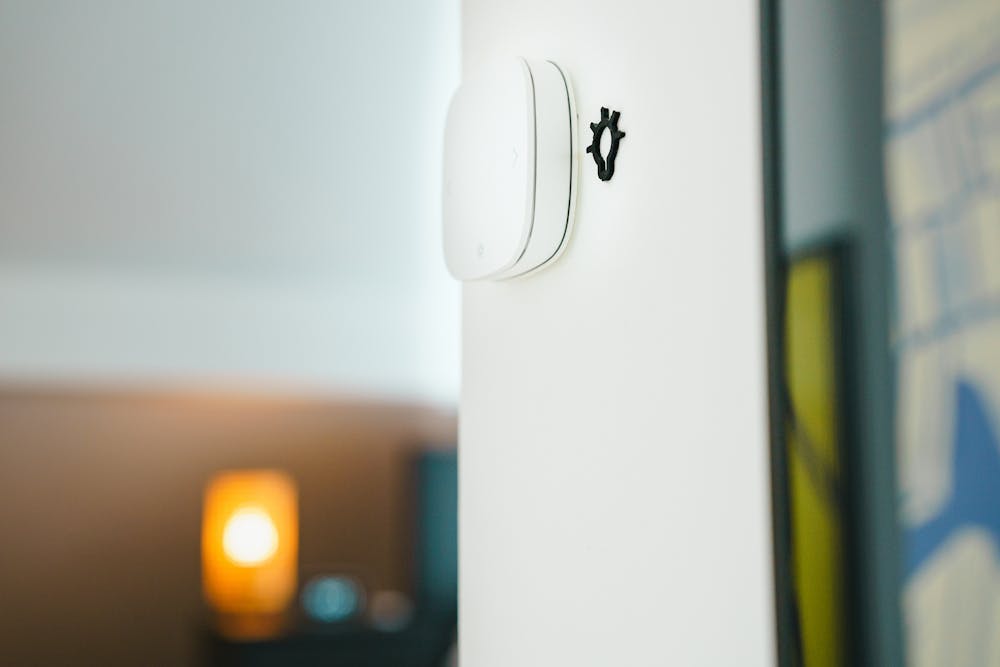
Artificial intelligence is the backbone of modern smart home innovation. Unlike traditional automation, AI-driven systems can analyze user behavior and make real-time adjustments without manual input. This shift is transforming homes into intuitive environments that anticipate needs.
AI-powered devices learn routines, preferences, and patterns over time. For example, thermostats can adjust temperatures based on daily schedules, while lighting systems adapt to mood and time of day. These capabilities create a highly personalized living experience that evolves with the homeowner.
Key AI Innovations in Smart Homes
- Predictive automation based on user behavior
- Context-aware decision-making systems
- Voice assistants with natural language processing
- AI-driven security monitoring
Modern smart homes are moving from rule-based automation to autonomous systems capable of making decisions independently.
Benefits of AI Integration
- Reduced manual intervention
- Increased efficiency and comfort
- Personalized user experiences
- Proactive maintenance alerts
AI is transforming homes into intelligent ecosystems that adapt and respond seamlessly to everyday life.
The Role of IoT in Creating Connected Living Spaces
The Internet of Things (IoT) connects devices within a home, allowing them to communicate and work together. This interconnected system is what enables smart homes to function as cohesive environments rather than isolated technologies.
IoT technology integrates everything from lighting and appliances to security cameras and entertainment systems. As connectivity improves, homes are becoming more responsive and efficient, offering a unified user experience.
How IoT Enhances Smart Homes
- Real-time communication between devices
- Centralized control through mobile apps
- Automation of daily routines
- Remote monitoring and access
Core Advantages of IoT Integration
- Convenience and ease of use
- Enhanced security through real-time alerts
- Energy efficiency through smart monitoring
- Scalability for future upgrades
IoT allows homeowners to manage their homes from anywhere, improving both convenience and control.
Smart Home Trends and Design Innovations for Modern Living
Smart home trends and design innovations are shaping how spaces are built, organized, and experienced. Modern homes are designed with technology in mind, ensuring that devices blend seamlessly into the overall aesthetic while enhancing functionality.
Today’s smart homes prioritize minimalism, integration, and user-centric design. Technology is no longer an afterthought—it is embedded into the architecture and layout of the home.
Emerging Design Trends
- Invisible technology integrated into walls and furniture
- Open-concept layouts optimized for connectivity
- Multi-functional smart spaces
- Minimalist designs with hidden devices
Innovation-Driven Features
- Smart kitchens with automated appliances
- Adaptive lighting systems
- Voice-controlled environments
- Smart furniture with built-in charging and connectivity
The “invisible home” concept focuses on blending technology into the environment without disrupting aesthetics.
Are Smart Homes Becoming More Energy Efficient and Sustainable?
Sustainability has become a key factor influencing the rise of smart home technology. With increasing utility costs and growing awareness of environmental issues, many homeowners are exploring ways to make their homes more energy-efficient and eco-friendly.
Smart systems help manage energy consumption more effectively by automatically adjusting lighting, temperature, and other functions based on daily habits and occupancy. By using energy only when needed, these technologies can lower utility expenses while supporting a more environmentally responsible lifestyle.
Sustainable Smart Home Features
- Smart thermostats and energy monitors
- Automated lighting systems
- Solar panel integration
- Water-saving irrigation systems
Environmental Benefits
- Reduced energy waste
- Lower carbon emissions
- Improved resource management
- Long-term cost savings
Smart homes are increasingly designed to support eco-friendly living without sacrificing comfort or convenience.
How Smart Security Systems are Redefining Home Safety
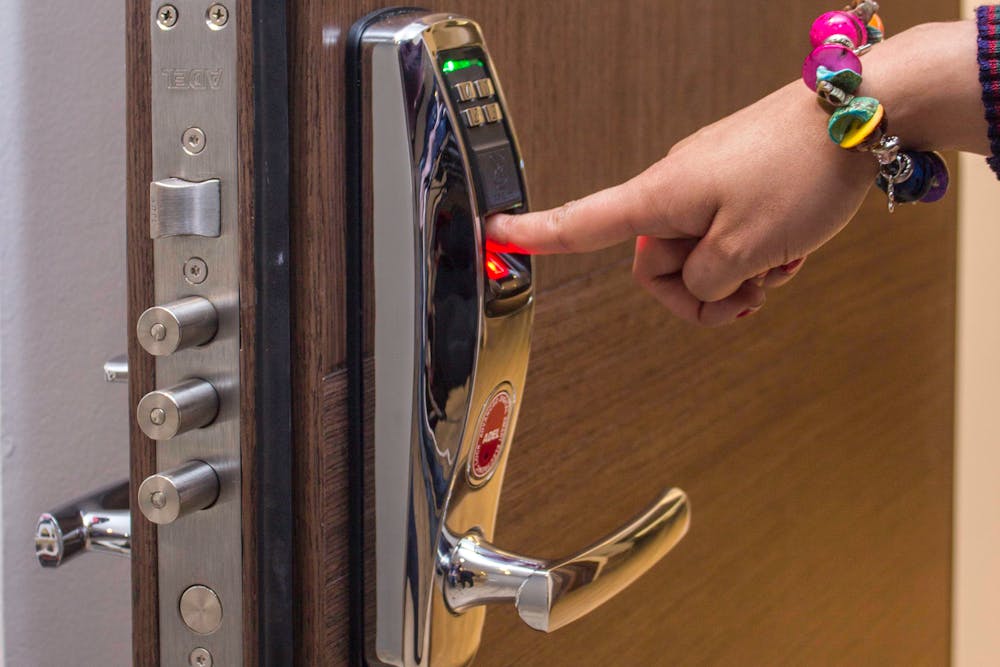
Security is one of the most important aspects of smart home technology. Modern systems go beyond traditional alarms by incorporating AI and real-time monitoring to provide comprehensive protection.
Smart security solutions include cameras, motion sensors, smart locks, and facial recognition systems. These devices work together to detect threats and alert homeowners instantly.
Advanced Security Features
- AI-powered surveillance cameras
- Smart locks with biometric access
- Motion and activity detection
- Real-time alerts and remote monitoring
Benefits of Smart Security
- Increased peace of mind
- Immediate response to threats
- Reduced false alarms
- Enhanced control over home access
AI-driven security systems can distinguish between normal activity and potential threats, improving accuracy and reliability.
What Does the Future Hold for Smart Home Design?
The future of smart homes lies in deeper integration, greater personalization, and enhanced automation. As technology continues to evolve, homes will become even more intuitive and responsive to user needs.
Emerging technologies such as edge computing, 5G connectivity, and advanced AI will further enhance smart home capabilities. These innovations will enable faster response times, improved reliability, and more sophisticated automation.
Future Trends to Watch
- Fully autonomous home systems
- Enhanced interoperability with universal standards
- Context-aware environments
- AI-driven home management systems
Long-Term Innovations
- Smart cities integration
- Advanced health monitoring systems
- Adaptive architecture and design
- Self-maintaining home systems
The adoption of universal standards like Matter is improving compatibility between devices, making smart homes more accessible and user-friendly.
How Can Homeowners Integrate Smart Technology Effectively?
Integrating smart technology into a home requires careful planning and consideration. Homeowners must balance functionality, design, and budget to create a cohesive smart home ecosystem.
Starting with essential devices and gradually expanding is a practical approach. This ensures compatibility and allows homeowners to adapt to new technologies over time.
Steps to Building a Smart Home
- Identify key needs and priorities
- Choose compatible devices and platforms
- Invest in a reliable network infrastructure
- Plan for future upgrades
Tips for Successful Integration
- Focus on interoperability between devices
- Prioritize security and privacy
- Choose scalable systems
- Consider professional installation if needed
A well-designed smart home enhances both lifestyle and property value while ensuring long-term usability.
How Do Smart Home Technologies Improve Daily Convenience?
Smart home technologies are designed to simplify everyday tasks and create a more efficient living environment. By automating routine activities and enabling remote control, homeowners can save time and reduce effort in managing their homes. From adjusting lighting to controlling appliances, these systems enhance comfort and streamline daily life without constant manual input.
One of the biggest advantages of smart homes is the ability to create personalized routines that align with your lifestyle. For example, you can schedule devices to operate automatically based on your daily habits, making your home more responsive and intuitive.
Everyday Convenience Features
- Automated morning and evening routines that adjust lighting, temperature, and even coffee makers
- Remote access via smartphone apps, allowing you to control your home from anywhere
- Voice-controlled assistants that execute commands instantly
- Smart notifications and reminders for maintenance, security, or unusual activity
Practical Benefits for Homeowners
- Saves time by reducing manual tasks
- Enhances comfort through personalized settings
- Improves energy efficiency with automated controls
- Provides peace of mind with remote monitoring
As smart home technology continues to advance, convenience will remain a central focus, making everyday living more seamless, efficient, and enjoyable.
Conclusion: Why Smart Homes Are the Future of Modern Living
Smart home technology is transforming how people live, interact, and experience their spaces. From AI-driven automation to sustainable design, these innovations are redefining comfort, efficiency, and security.
As smart homes continue to evolve, they will become more accessible, intuitive, and integrated into everyday life. The combination of technology and design is creating living environments that are not only functional but also responsive and personalized.
For homeowners, embracing smart home trends is no longer optional—it is a strategic investment in the future of modern living.