

Renovating a home is an exciting opportunity to improve comfort, increase property value, and tailor your living space to better suit your needs. However, enthusiasm alone is not enough to guarantee success. Many homeowners rush into aesthetic upgrades—new flooring, modern fixtures, fresh paint—without first evaluating the underlying systems that keep their homes functioning safely and efficiently. A successful renovation begins long before demolition day. It starts with a thorough checklist that addresses structural integrity, mechanical systems, drainage, and exterior protection.
Overlooking foundational repairs can lead to expensive setbacks later. For example, installing new cabinetry without checking for plumbing leaks, or upgrading insulation without inspecting roof integrity, can undermine even the most beautiful improvements. Renovation should be approached strategically, beginning with preventative maintenance and necessary repairs before cosmetic changes are made. By identifying potential vulnerabilities early, homeowners reduce the risk of interruptions, cost overruns, and structural damage.
This comprehensive checklist walks through ten critical areas that homeowners should review before beginning any major renovation. Each section focuses on a specific system or exterior component that plays a vital role in protecting your home. Addressing these elements proactively ensures that your renovation investment rests on a stable, efficient, and well-maintained foundation.
Inspecting Roof Integrity Before Interior Upgrades
Before committing to interior renovations, it is essential to evaluate the condition of your roof. Even minor leaks can cause significant water damage behind walls and ceilings, compromising new drywall, insulation, or cabinetry. Scheduling a professional inspection and addressing local roofing repair needs ensures that your home remains protected from weather-related damage during and after renovation. Roof vulnerabilities such as missing shingles, flashing deterioration, or underlayment wear can worsen quickly if left unattended.
Roof assessments should include checking attic spaces for moisture stains, mold growth, or ventilation issues. Poor ventilation can trap heat and humidity, shortening roof lifespan and affecting indoor air quality. Renovation projects often involve insulation upgrades, so ensuring proper airflow becomes even more critical. Early intervention prevents costly structural repairs later.
Documenting roof condition prior to renovation also protects homeowners when coordinating with contractors. Written inspection reports provide clarity on existing issues and confirm that improvements are built on a stable surface. Proactive roof care preserves your renovation investment and prevents unexpected setbacks.
Evaluating Drainage and Water Flow Systems

Effective water management protects foundations, landscaping, and siding from damage. Before starting exterior improvements, inspect drainage systems and address any necessary gutter repairs. Damaged or clogged gutters can redirect water toward the home’s base, leading to soil erosion or basement moisture intrusion.
A complete evaluation includes checking downspouts for blockages and confirming that water flows away from the foundation properly. During renovations, scaffolding or heavy equipment may impact drainage pathways. Ensuring gutters are secure and aligned prevents accidental damage.
Routine cleaning and minor repairs often extend gutter lifespan significantly. However, if sections are sagging or separating, addressing them before construction begins prevents compounded problems. Strong drainage systems safeguard structural stability and protect new exterior finishes.
Reviewing Irrigation Systems and Landscaping Infrastructure
Landscaping often complements renovation projects, but irrigation systems should be evaluated first. Broken sprinkler heads, uneven coverage, or hidden leaks can waste water and damage newly planted areas. Scheduling sprinkler repair ensures landscaping upgrades remain sustainable and functional.
Renovation equipment can unintentionally damage underground irrigation lines. Marking system locations prior to construction reduces risk and prevents costly rework. Property owners should confirm timer settings and pressure levels for efficient operation. Maintaining irrigation efficiency not only supports curb appeal but also protects foundations from oversaturation. Proactive inspection strengthens overall property resilience during renovation transitions.
Assessing Private Water Supply Components
Homes that rely on private wells require additional attention before renovation begins. Addressing potential well pump repair needs ensures uninterrupted water access throughout construction. Renovations often increase water usage temporarily, placing additional strain on pump systems.
Signs of declining pump performance include inconsistent pressure, unusual noises, or delayed water flow. Scheduling inspection and maintenance early prevents mid-project interruptions. A functioning well system supports both renovation crews and household routines. Evaluating performance before upgrades prevents unnecessary downtime and protects mechanical reliability.
Beyond evaluating pump pressure and mechanical performance, homeowners should also assess water quality and storage capacity before beginning renovations. Construction activities can stir sediment within well systems, especially if heavy equipment operates nearby. Testing water for contaminants, mineral levels, and clarity provides a baseline reading prior to any disturbance. It is also wise to inspect electrical connections and backup systems to ensure consistent functionality during periods of increased demand. Renovation crews may rely heavily on water for cleaning, mixing materials, or system testing, placing additional strain on pump cycles. Reviewing tank pressure settings and confirming proper cycling frequency prevents overheating or premature motor wear. Homeowners should maintain detailed records of previous service visits and system specifications for easy reference during inspections. By incorporating water supply evaluation into the early planning phase, families reduce the risk of unexpected shortages or system failure mid-project. Reliable well performance supports both renovation efficiency and long-term household stability.
Confirming Cooling System Reliability
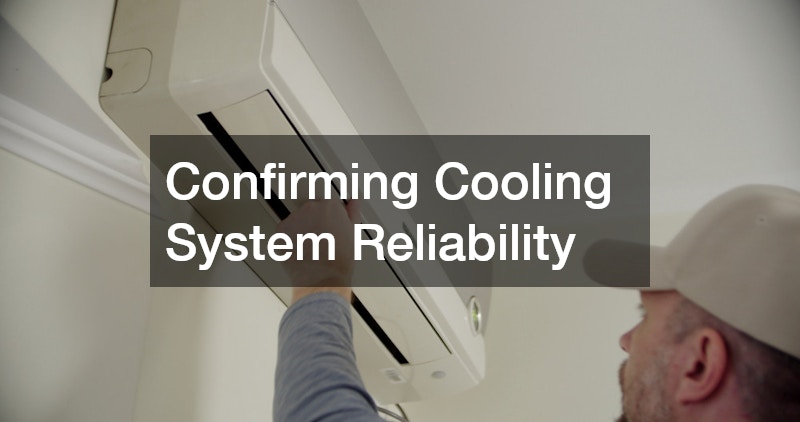
Renovation projects frequently involve insulation upgrades and window replacements, which directly impact cooling efficiency. Scheduling ac repair prior to construction ensures that systems operate at peak performance. Older units may struggle to compensate for dust exposure or fluctuating airflow during remodeling.
Inspecting ductwork for leaks or obstructions enhances overall efficiency. Construction dust can clog filters quickly, so pre-renovation servicing is critical. Maintaining cooling reliability preserves indoor comfort and protects sensitive materials during renovation phases. Structured HVAC planning prevents disruption and supports long-term efficiency.
In addition to mechanical servicing, homeowners should evaluate airflow distribution and insulation compatibility before renovations begin. Construction often disrupts ductwork pathways or temporarily alters airflow patterns, which can strain cooling equipment. Performing a full system inspection—including refrigerant levels, thermostat calibration, and coil cleanliness—helps ensure peak performance. It is also beneficial to assess whether current system capacity aligns with post-renovation square footage or layout changes. Dust barriers and protective coverings can be installed to reduce contamination during construction phases. Homeowners should replace air filters more frequently throughout renovation to prevent buildup from debris exposure. Documenting HVAC performance metrics prior to construction provides a benchmark for comparison after project completion. By taking a preventative approach, homeowners protect their cooling investment and avoid unexpected system failures during critical renovation stages. A well-maintained cooling system ensures indoor comfort and safeguards materials sensitive to heat and humidity fluctuations.
Determining When Full Replacement Is Necessary
While minor fixes may suffice in some cases, certain drainage systems require comprehensive upgrades. Evaluating the need for gutter replacement prevents recurring water management issues. Aging materials may fail to support additional loads from new roofing or siding installations.
Complete replacement offers improved durability and modernized design. Proper slope adjustments enhance performance and reduce pooling. Investing in long-term drainage solutions protects foundations and complements exterior renovations effectively.
When evaluating whether repair or replacement is appropriate, homeowners should consider long-term durability and compatibility with planned upgrades. Older drainage systems may not support expanded rooflines, added overhangs, or enhanced water flow resulting from renovation changes. Conducting a full slope and alignment assessment ensures optimal runoff performance. It is also important to inspect fascia boards and mounting brackets to confirm structural integrity before installing new components. Coordinating replacement timing with roofing or siding work minimizes labor duplication and reduces overall disruption. Homeowners should request detailed installation documentation to support future maintenance. Upgrading materials to modern corrosion-resistant options can significantly extend lifespan. Properly sized downspouts and secure anchoring prevent water damage during heavy rainfall. By taking a strategic view of drainage infrastructure, homeowners strengthen exterior resilience and prevent recurring issues that could undermine renovation investments.
Upgrading Aging Plumbing Infrastructure
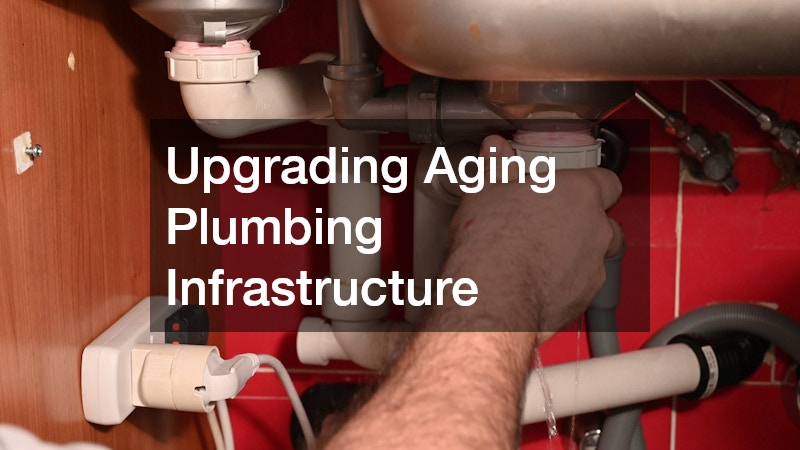
Interior renovations often expose hidden plumbing weaknesses. Considering plumbing repiping ensures that outdated pipes do not compromise new walls or flooring. Corrosion, mineral buildup, or leaks can remain undetected until demolition begins.
Replacing aging supply lines enhances water pressure and reliability. Coordinating plumbing upgrades with other mechanical improvements reduces labor duplication. Proactive infrastructure investment strengthens system longevity and prevents costly post-renovation damage.
Beyond pipe replacement, homeowners should assess fixture connections, shutoff valves, and pressure regulators during plumbing evaluations. Renovation often exposes hidden vulnerabilities behind walls or beneath flooring, creating an opportunity to address issues proactively. Conducting a pressure test ensures that new lines are properly sealed and capable of handling household demand. It is also advisable to evaluate material compatibility, especially when transitioning from galvanized steel to modern piping materials. Coordinating plumbing upgrades with kitchen and bathroom remodels reduces repeated wall removal and accelerates overall timelines. Homeowners should maintain detailed diagrams of new pipe layouts for future reference. Installing accessible shutoff points enhances emergency response efficiency. Proactive plumbing upgrades strengthen long-term reliability and prevent costly water damage after cosmetic improvements are completed.
Evaluating Alternative Heating and Cooling Options
Renovations provide an opportunity to explore modern energy-efficient systems. Scheduling ductless heat pumps service allows homeowners to assess compatibility with updated layouts. These systems offer zoned control and flexible installation options.
Integrating alternative systems requires electrical evaluation and insulation alignment. Early planning ensures seamless integration. Energy-efficient upgrades complement structural improvements and enhance long-term savings.
Homeowners exploring modern HVAC alternatives should also assess electrical capacity and insulation effectiveness before installation. Updated layouts may alter heating and cooling load requirements, making recalculation essential. A professional energy audit can identify inefficiencies and recommend targeted improvements that complement system upgrades. Evaluating noise levels and aesthetic integration ensures that new equipment aligns with lifestyle preferences. Coordinating installation timing with drywall and finishing work prevents unnecessary delays. Homeowners should also establish a preventative maintenance schedule to preserve performance and warranty coverage. Tracking energy usage after installation provides measurable insight into efficiency gains. By thoughtfully integrating alternative systems into renovation plans, homeowners enhance comfort, reduce operating strain, and create adaptable climate control solutions for years to come.
Inspecting Water Heating Systems
Hot water availability is critical during renovation. Addressing water heater repairs prevents delays and protects plumbing efficiency. Sediment buildup or aging components can compromise reliability. Flushing tanks and inspecting valves ensures proper operation. Renovation often increases demand, making preventative service essential. Reliable water heating supports both household routines and contractor productivity.
In addition to servicing existing units, homeowners should evaluate tank size and capacity relative to projected post-renovation usage. Expanding bathrooms or adding appliances may increase hot water demand significantly. Inspecting anode rods, heating elements, and temperature controls ensures optimal performance. Flushing accumulated sediment before renovation prevents efficiency loss and extends equipment lifespan. It is also wise to assess venting pathways and safety valves to confirm compliance with updated building codes. Coordinating upgrades with plumbing improvements minimizes scheduling conflicts. Installing leak detection systems or drain pans adds an extra layer of protection against water damage. By thoroughly reviewing heating systems in advance, homeowners reduce the likelihood of mid-renovation failures and preserve consistent comfort throughout the project.
Reviewing Exterior Wall Protection

Exterior integrity protects interior investments. Scheduling siding repairs prevents moisture intrusion and structural damage. Cracks, warping, or loose panels should be addressed before repainting or insulation upgrades. Proper sealing and fastening enhance durability. Coordinating siding updates with roofing and drainage improvements ensures cohesive protection.
Exterior preparation reinforces renovation longevity and safeguards structural integrity. Exterior preparation should also include moisture barrier inspection and caulking evaluation around windows and doors. Renovation activities may expose previously hidden weaknesses in insulation or sheathing. Conducting a full perimeter inspection ensures that vulnerable areas are addressed before finishing work begins. Homeowners should evaluate flashing integrity and confirm proper overlap at joints to prevent water intrusion. Coordinating siding updates with trim and gutter adjustments enhances visual cohesion and functional protection.
Renovation success depends on preparation. By addressing roofing, drainage, irrigation, plumbing, and mechanical systems before cosmetic upgrades, homeowners protect their investment and reduce future disruptions. A structured checklist transforms renovation from reactive improvement into strategic advancement. Proactive maintenance strengthens safety, efficiency, and property value. Before beginning demolition or design changes, evaluate the foundation beneath your plans. Thoughtful preparation ensures that every improvement enhances comfort and stability for years to come.