The concept of a barndominium construction is increasingly becoming popular among individuals seeking unique living spaces that combine the robust characteristics of a barn with the comforts of a modern home. This trend began gaining traction in the United States, primarily in the southern and midwestern regions where expansive lands are available. In this article, we explore the intricacies involved in planning, designing, and constructing a barndominium, as well as the benefits and challenges associated with owning one.
1. What Is a Barndominium?
1.1 Definition of Barndominium
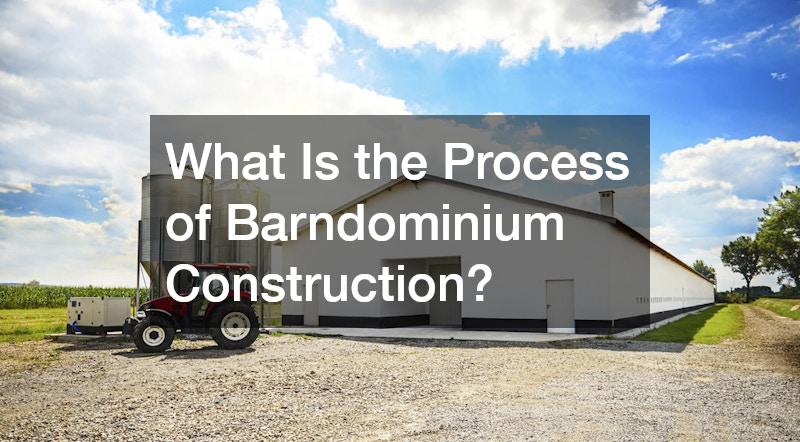
The term “barndominium” is a fusion of the words “barn” and “condominium,” representing a structure that combines the practicality of a barn with the luxury of condominium-style living. These structures are typically built with a metal shell, offering a spacious and open-concept interior. Barndominiums are versatile and can be used both as residential homes and functional spaces for workshops, garages, or even commercial use.
1.2 History and Origin
Barndominiums originated in rural America where farmers and landowners sought efficient ways to utilize their agricultural buildings as living spaces. Initially, these were simple homes built within barns, but over time they evolved into sophisticated residences with full amenities. The movement gained momentum as more people began to appreciate the blend of rustic charm and contemporary comfort that barndominiums offer.
1.3 Popularity and Demand
The popularity of barndominiums has surged in recent years, particularly in areas where land is affordable. This type of housing appeals to those who enjoy a minimalist lifestyle and value having large open spaces. Renovation shows and real estate influencers have also played a significant role in increasing the demand by showcasing the aesthetic appeal and practicality of barndominiums.
1.4 Key Features
A typical barndominium features a metal building framework, which makes it highly durable and resistant to natural elements. They often have high ceilings, providing ample space for lofts or mezzanines, and large windows to enhance natural light flow. Modern barndominiums are equipped with energy-efficient features, which not only reduce utility bills but also contribute to sustainable living.
1.5 Comparison with Traditional Homes
Compared to traditional homes, barndominiums can be constructed more quickly and at a lower cost due to the use of steel and simpler building techniques. They offer unique design possibilities that allow for greater creativity and flexibility in layout. However, some individuals might find zoning challenges and potential resale difficulties depending on the location and market trends for such unconventional properties.
2. How to Plan and Design a Barndominium?
2.1 Initial Planning Considerations
The first step in planning a barndominium is determining the primary use of the space, whether it be solely residential or multi-purpose. It is important to research local zoning laws and building codes to ensure compliance throughout the construction process. Planning must also include considerations for utilities such as plumbing, electricity, and HVAC systems, which can be uniquely challenging in metal structures.
2.2 Choosing the Right Floor Plan
Selecting a floor plan involves deciding how much square footage will be dedicated to living areas versus functional spaces like workshops. Open-concept designs are most popular among barndominium owners for the flexibility and modern aesthetic they provide. Ensuring that the floor plan accommodates future needs and potential expansions is crucial for long-term satisfaction.
2.3 Architectural Design and Styles
Barndominiums can be customized to reflect various architectural styles, from rustic barn aesthetics to sleek, contemporary designs. The choice of exterior features, such as siding and roofing materials, will impact both the look and durability of the building. Interior design options are virtually limitless, allowing homeowners to infuse personal style while optimizing functionality.
2.4 Customization Options
Customization is a key selling point for barndominiums, offering potential for personalized layouts, finishes, and features that cater to unique lifestyles. Homeowners can prioritize design elements that enhance energy efficiency and sustainability or create innovative solutions like built-in shelving or multi-purpose furniture. The design process should consider both aesthetic desires and practical necessities to ensure a harmonious living space.
2.5 Budgeting and Cost Management
Effective budgeting is essential when planning a barndominium, as costs can vary widely based on size, materials, location, and desired amenities. Consulting with builders and architects experienced in constructing barndominiums can provide realistic cost estimates and help identify areas for potential savings. Financing options should be explored early, considering both construction loans and potential tax implications associated with the property type.
3. What Are the Steps in Barndominium Construction?
3.1 Site Selection and Preparation
Choosing the right site for a barndominium requires assessing elements like land topography, accessibility, and proximity to essential services. Once a site is selected, the preparation phase involves clearing land, ensuring proper drainage, and laying the groundwork for utilities. Thorough assessments during this stage help avoid future complications and set a solid foundation for construction.
3.2 Foundation and Structural Work
The foundation is critical to the structural integrity of a barndominium, often constructed with reinforced concrete slabs suitable for supporting metal frameworks. Structural work involves assembling steel framing, which provides the skeleton of the building. Attention to detail in these early stages prevents potential issues such as leaks or structural failure, ensuring long-term stability and safety.
3.3 Framing and Building Shell
With the steel framework in place, the next step involves constructing the building’s shell, which includes exterior walls and roofing. The use of metal offers protection from external elements while allowing for large, open interiors. Insulation during this phase is vital, especially given the usage of metal, to regulate temperature and enhance energy efficiency.
3.4 Interior Finishing
Interior finishing encompasses installing drywall, flooring, cabinetry, and fixtures that bring the space to life. This stage allows for customization to add personal touches that reflect the homeowner’s taste and functional needs. It is important to work with skilled tradespeople to ensure quality installations, from plumbing and electrical systems to aesthetic details.
3.5 Final Inspections and Approval
The construction process concludes with a series of inspections to verify compliance with local building codes and regulations. These assessments confirm the safety, habitability, and code adherence of the structure before it is approved for occupancy. Successfully passing inspections paves the way for occupancy, ensuring that all systems are operational and the home is ready for move-in.
4. What Materials Are Best for Barndominium Construction?
4.1 Steel Framing and Beams
Steel is favored for barndominium construction due to its strength, durability, and resistance to pests and fire. Beams and framing made from steel provide a robust skeleton that can support expansive and open-interior layouts. This material is also highly versatile, allowing architects to incorporate unique design features and expanded living spaces such as lofts or high-ceiling areas.
4.2 Insulation and Energy Efficiency Materials
Effective insulation is crucial in metal buildings to maintain comfortable indoor temperatures and energy efficiency. Spray foam and rigid board insulation are popular choices, offering superior thermal performance and moisture control. Utilizing energy-efficient windows and doors further enhances insulation, supporting sustainable, cost-effective living.
4.3 Roofing Options
Roofing materials for barndominiums must balance durability with aesthetic appeal, often incorporating metal panels due to their long lifespan and weather resistance. Other options include shingles or green roofs that blend traditional and eco-friendly elements. The choice of roofing also impacts energy efficiency and can significantly influence the building’s overall design.
4.4 Flooring and Interior Materials
Barndominiums offer flexibility in flooring options, from polished concrete for a modern industrial look to hardwood or laminate for a warmer, more traditional feel. Interior materials, including drywall, wood, and metal accents, contribute to the overall design theme, whether rustic or contemporary. Ultimately, material choices should reflect personal style preferences while meeting practical requirements for durability and maintenance.
4.5 Additional Features and Upgrades
Homeowners can incorporate a range of additional features into their barndominiums, such as smart home technology, energy-efficient systems, and outdoor living spaces. Custom upgrades like solar panels or water-saving fixtures align with sustainability goals and can reduce long-term costs. Thoughtful selections in this phase enhance the barndominium’s livability and future resale value.
5. What Are the Benefits and Challenges of Owning a Barndominium?
5.1 Cost Efficiency and Savings
One of the primary benefits of barndominiums is their cost efficiency compared to traditional homes, attributable to lower construction and material costs. The reduced need for interior walls and expedited building timelines can lead to substantial financial savings. Additionally, energy-efficient designs help minimize ongoing utility expenses, making barndominiums an attractive option for budget-conscious buyers.
5.2 Living Space Flexibility
The open-plan design inherent to barndominiums offers extraordinary flexibility in how living spaces are used and adapted over time. Homeowners are free to customize interiors to suit changing needs, accommodating families, hobbies, or even home-based businesses. This adaptability is a significant draw for those seeking a dynamic and personalized living environment.
5.3 Maintenance and Durability
Barndominiums are known for their low maintenance requirements, largely due to the durable metal construction that resists wear and environmental damage. Unlike traditional wood structures, metal is less susceptible to pests and moisture-related issues, reducing upkeep costs and efforts. The longevity and robustness of barndominiums make them a practical long-term housing solution.
5.4 Zoning and Regulation Challenges
Despite the advantages, zoning and regulation issues can pose challenges for barndominium construction, as these structures may not conform to conventional building standards. Navigating local zoning laws and obtaining necessary permits requires diligence and sometimes creative compliance solutions. Prospective owners must research and understand potential regulatory hurdles that could affect planning or future resale.
5.5 Market Value and Resale Considerations
Barndominiums can offer good market value due to their unique appeal, but resale can be unpredictable based on geographic location and market conditions. The non-traditional nature might limit buyers in areas unfamiliar with this type of housing, influencing resale timelines and pricing. However, thoughtful design, efficient space use, and quality construction can increase desirability and market competition.
Barndominiums represent a harmonious blend of rural charm and modern comfort, offering a unique and appealing alternative to traditional housing. With proper planning, design, and construction, these structures provide a cost-effective, versatile, and sustainable living solution. By understanding the process and potential challenges of building a barndominium, individuals can create inviting homes or functional spaces that reflect their lifestyle and preferences.